The PSA test for prostate cancer does as much harm as it does good, expert panel says

For men between the ages of 55 and 69, getting screened for prostate cancer is a mixed bag of possible, down-the-road benefits and just-as-possible immediate harms.
That means there’s no one-size-fits-all answer to the fraught question of whether to get screened for the most common type of cancer in men, according to new advice from a task force of preventive health experts. After weighing all the pros and cons with their doctors, an official US panel concluded Tuesday that some men may reasonably decide to take the test and others may just as reasonably opt to skip it.
For decades, prostate cancer screening was a routine part of health care for men of a certain age. A simple blood test would allow doctors to measure levels of a protein called prostate-specific antigen, or PSA. If those levels were deemed too high, it was considered a possible sign of cancer.
Over time, doctors began to realise that the PSA test wasn’t always a reliable indicator of cancer. They also saw that follow-up tests and treatments often caused serious problems.
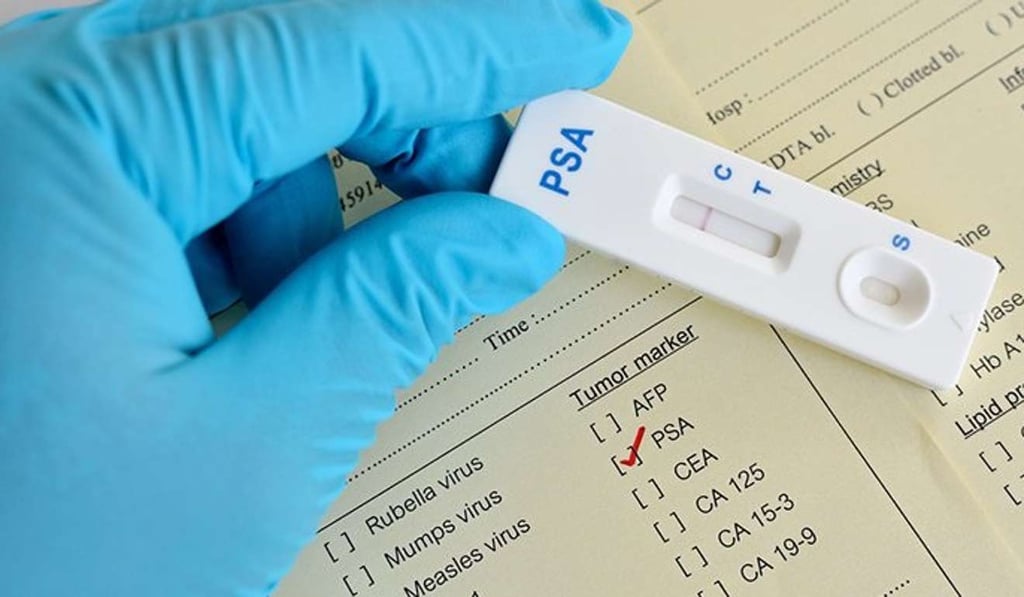
In its report, the task force advised doctors not to make the PSA test part of their standard exam for men ages 55 to 69. Instead, they should discuss the uncertainties about the test and order it only if their patients still want it, the panel said.