130,000-year-old bones could shatter the story of when humans first appeared in the Americas

Shattered mastodon bones from a Southern California site bear the scars of human activity from 130,700 years ago, a team of scientists says — pushing back the generally accepted date that humans are thought to have settled North America by a whopping 115,000 or so years.
If verified and corroborated by other scientists, the discovery described in the journal Nature could radically rewrite the timeline of when humans first arrived in the Americas.
“This is the first time there’s been a demonstrated archaeological site with all the bells and whistles,” said Curtis Runnels, an archaeologist at Boston University who was not involved with the study, referring to the combination of several lines of evidence at the site. “This makes it absolutely first-water importance. This is up there with one of the discoveries of the century, I would say.”
Without the benefit of actual human remains, however, the dramatic departure from the accepted timeline may not persuade all scientists in the field.
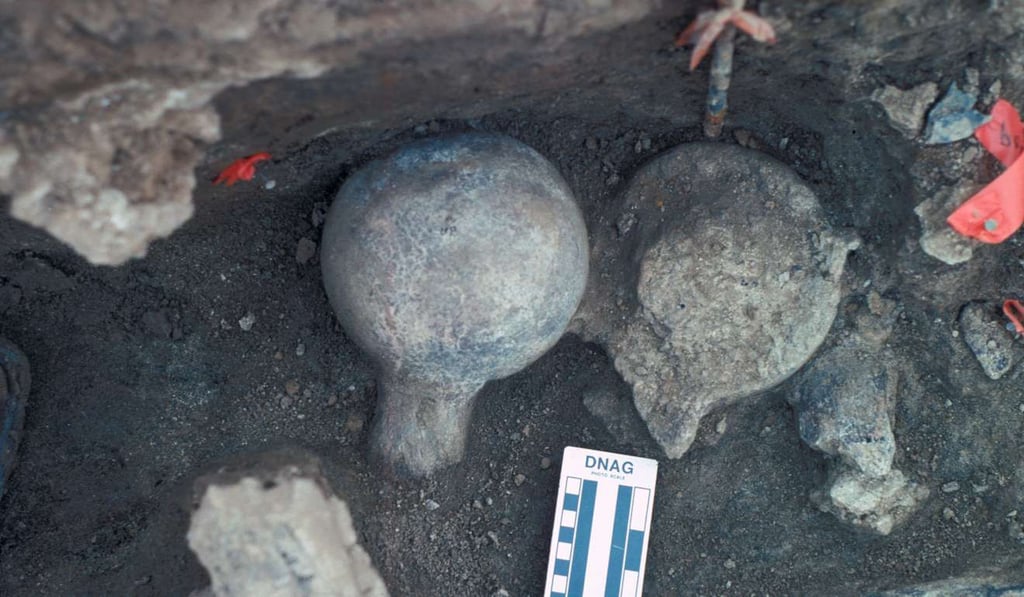
The fragmented mastodon remains were first discovered in late 1992 by study co-author Richard Cerutti of the San Diego Natural History Museum, during routine palaeontological monitoring work at a California Department of Transportation freeway expansion project in southern San Diego. Out of the ancient stream deposits came the remains of a camel, horse and other mammals — including the bones, tusks and teeth of a mastodon, a distant and long-gone relative of elephants.