Harvey strengthens into a hurricane which will menace the Texas coast

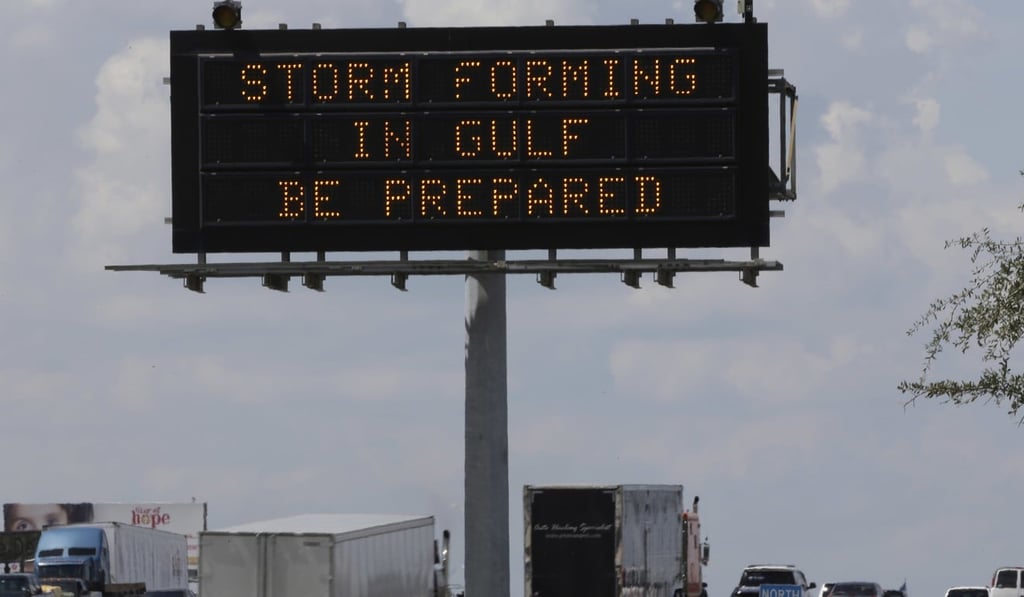
Tropical Storm Harvey intensified on Thursday into a hurricane that forecasters said would be the first major hurricane to hit the middle Texas coastline in nearly 15 years.
Sustained winds reached 80mph (129kph) more than a day before landfall was expected late on Friday between Port O’Connor and Matagorda Bay, a 30-mile (48-kilometre) stretch of coastline about 70 miles (110 kilometres) northeast of Corpus Christi.
Forecasters said a “life-threatening” storm surge along with rains and wind were likely as Harvey was intensifying faster than previously forecast. A major hurricane means winds greater than 110mph (177kph).
As of midday on Thursday, Harvey was about 340 miles (550 kilometres) southeast of Corpus Christi, moving to the north-northwest at about 10mph (17kph).
Once Harvey makes landfall, it’s possible the storm then could just stall inland for as many as three days, exacerbating the threat of flooding brought by tropical downpours, the National Hurricane Centre said. Some forecasts indicated rain totals over several days extending into next week could exceed 24 inches (60 centimetres).