Newly discovered protein could diagnose chronic brain disease CTE in live patients
Chronic Traumatic Encephalopathy, a condition recently discovered to be highly prevalent among American football players, is currently only diagnosable post mortem

Researchers have discovered a protein that could help diagnose a degenerative brain disease commonly found in athletes, veterans of military service and others who have experienced brain trauma, a new study published on Tuesday showed.
Scientists from Boston University and the VA Boston Healthcare System, a group of hospitals run by the US Department of Veterans Affairs, discovered elevated levels of a protein called CCL11 in the brains of dead football players with Chronic Traumatic Encephalopathy (CTE), but not in the brains of healthy people or people with Alzheimer’s disease.
Currently, CTE can only be diagnosed in a dead person’s brain tissue.
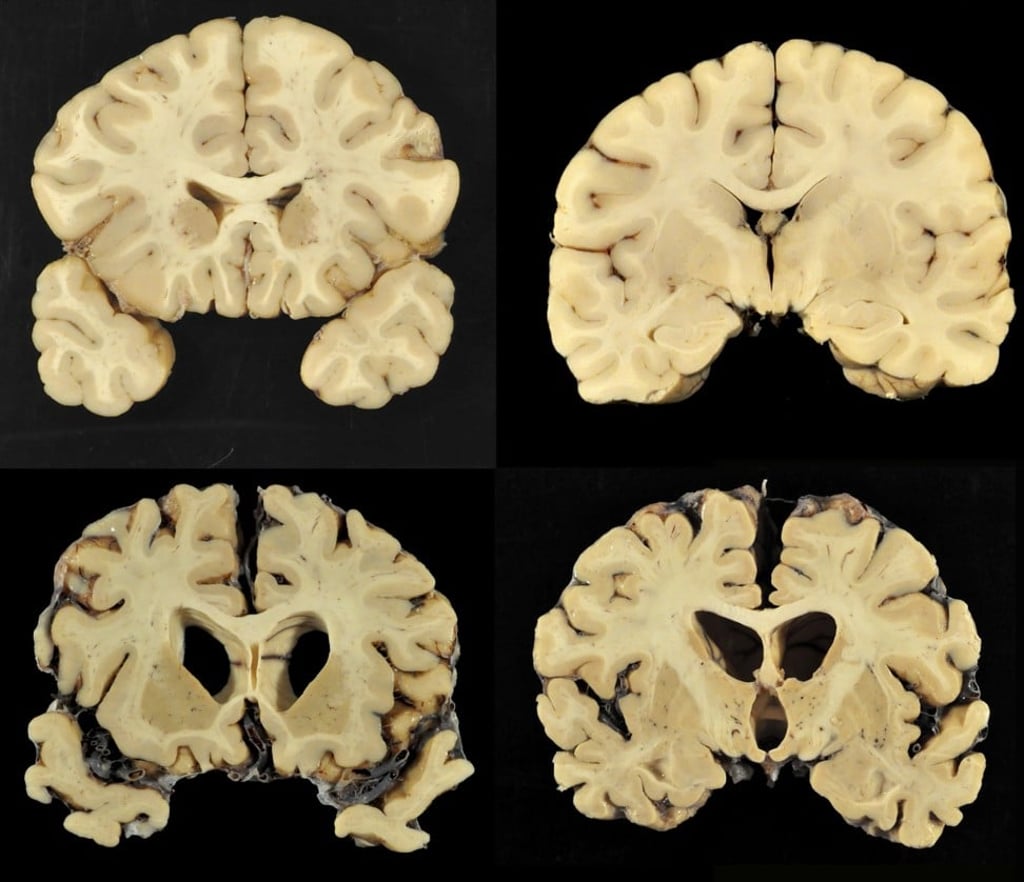
CTE is linked to repeated head trauma and can lead to depression, anxiety and memory loss. The study noted that its symptoms are similar to Alzheimer’s disease, and doctors have struggled to distinguish between Alzheimer’s and CTE in patients.
Boston University released research this past summer that found signs of CTE in 110 out of 111 deceased former National Football League players.