2011 tsunami carried a million Japanese sea creatures to US west coast
300 species of sea life were borne across the Pacific in ‘one of the biggest unplanned natural experiments in marine biology’, says researcher

The deadly tsunami that struck northeast Japan in 2011 has carried almost 300 species of sea life thousands of kilometres across the Pacific Ocean to the west coast of the United States.
In what experts are calling the longest maritime migration ever recorded, an estimated one million creatures – including crustaceans, sea slugs and sea worms – made the 7,725km journey on a flotilla of tsunami debris.
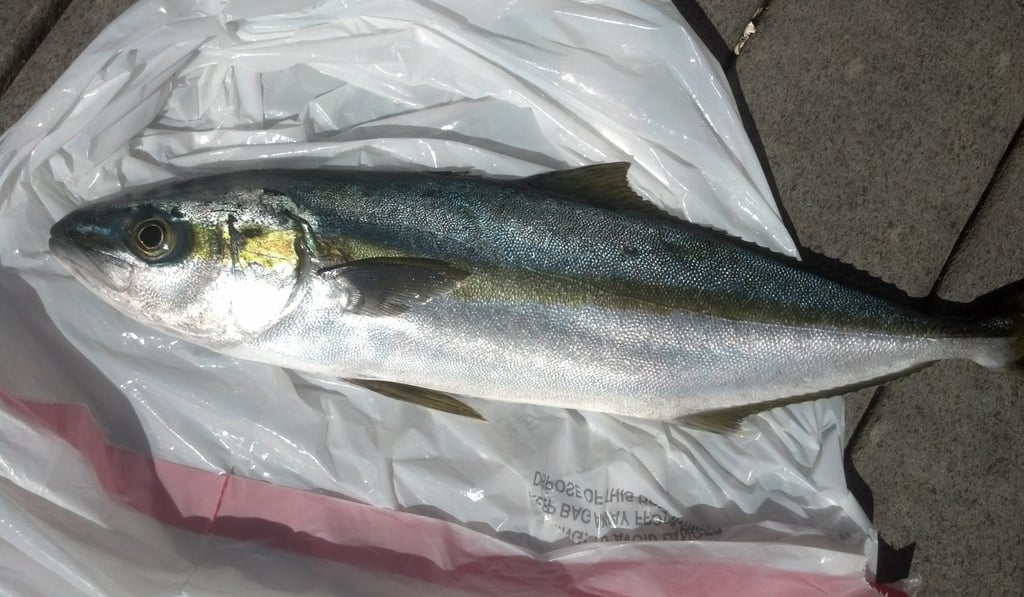
The huge tsunami, triggered by a 9.0 magnitude earthquake on the afternoon of March 11, 2011, generated five million tonnes of debris from the three prefectures of Iwate, Miyagi and Fukushima.
About 70 per cent sank quickly to the ocean floor, according to experts, but countless buoys, docks, boats and other items with buoyancy were swept out to sea.
Between June 2012 and February this year 289 Japanese species attached to 600 pieces of debris washed up on beaches in the states of Washington, Oregon, California, British Columbia, Alaska and Hawaii, according to the study.
Some of the creatures – about two-thirds of which had never been seen on the US west coast – reproduced as they drifted eastward.