When the Soviets sent Sputnik into space in 1957, the US public was shocked. The CIA, not so much
‘The nation that first successfully launches the earth satellite ... will gain incalculable international prestige and recognition’

The CIA released newly declassified documents on Wednesday revealing that while the American public was surprised when the Soviet Union launched the world’s first artificial satellite 60 years ago, intelligence agencies weren’t caught off guard.
President Dwight D. Eisenhower had advance knowledge about the Soviets’ work on Sputnik, which was launched by a rocket on October 4, 1957. He had been worrying for several years about the Kremlin’s long-range missile capability and how rockets armed with nuclear warheads could threaten America.
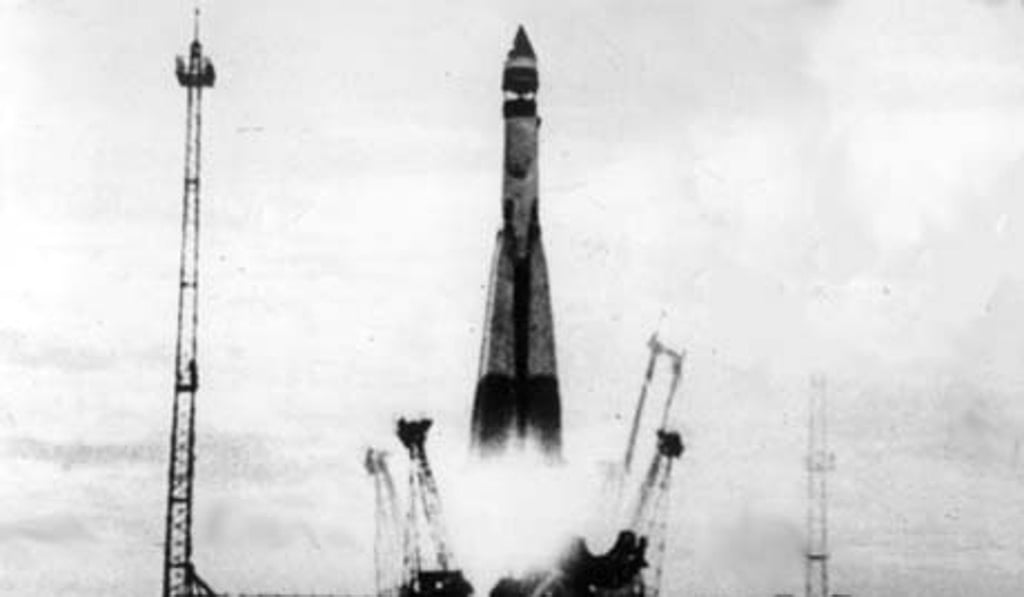
The launch of Sputnik opened the space age and became a major victory for the Kremlin that highlighted its military might and technological abilities. But it wasn’t a surprise to those in the know within the Eisenhower administration.
Before the launch, the CIA issued two National Intelligence Estimates that included possible timelines for what was then called an “earth satellite vehicle”. In December 1955, one predicted the Soviets could launch one by 1958. In March 1957 – about six months before the launch – another intelligence estimate said Moscow was capable of putting a satellite into orbit before the end of that year.