Remembering the biggest pre-atomic explosion, that killed 2,000 and left Halifax in ruins
The Halifax Explosion of 1917 took place when two ships collided - one of them
was carrying 3,000 tonnes of high explosives

On the bright, freezing morning of December 6, 1917, a French captain steered his ship, the SS Mont Blanc, up the channel leading to the piers of Halifax, Canada’s major Atlantic port. Just after 8.30am, as the ship steamed into the bottleneck between the ocean and the inner harbour, he looked up to see something that shouldn’t have been there: the SS Imo, a Norwegian freighter, heading straight toward him on his side of the skinny narrows.
The two massive ships blasted their whistles, attempted a few futile evasive manoeuvres and then collided, bow to bow. It was not a fatal blow.
“In marine terms, what happened was a fender bender,” said historian Roger Marsters. “It was only the character of the cargo that made it what it was.”
What the Imo had rammed was a 3,000-tonne floating bomb. The Mont Blanc was crammed with munitions, bound for the war raging in Europe. Its holds were crammed with 2,500-tonnes of TNT and picric acid. The decks were crowded with barrels of high-octane benzol.
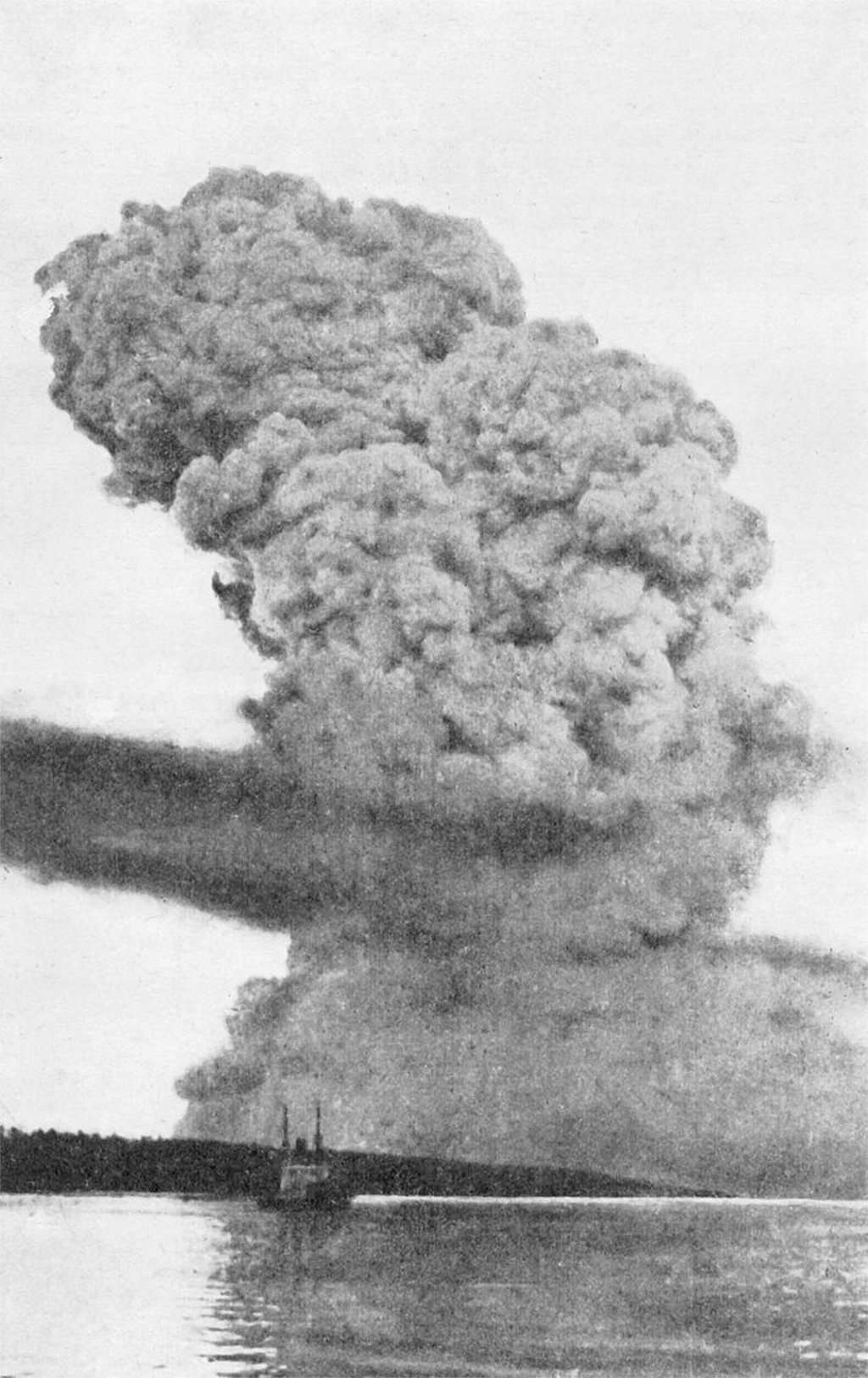
Sombre ceremonies were held in Halifax on Wednesday to mark the 100th anniversary of what remains the worst human-made disaster in Canadian history.