US Supreme Court to consider use of poison gas instead of lethal injection to execute killer on death row
Advocates for Russell Bucklew, who has a rare congenital disease, say lethal injection would cause him intense suffering

The US Supreme Court agreed Monday to rule on whether the state of Missouri should use poison gas as an alternative to a lethal injection to execute a convicted murderer-rapist with a rare congenital disease.
The top US court has halted Russell Bucklew’s execution twice before, most recently last month after his lawyers argued that a lethal injection could cause intense suffering.
The US Constitution prohibits cruel and unusual punishment, and a series of botched executions with lethal injections has spurred debate over the constitutionality of this most common method for putting inmates to death in the United States.
The justices on Monday ordered lawyers on both sides to present arguments on whether gas can be used as an alternative, as proposed by Bucklew’s lawyer Cheryl Pilate.
They were asked to “prove what procedures would be used to administer (Bucklew’s) proposed alternative method of execution, the severity and duration of pain likely to be produced, and how they compare to the State’s method of execution.”
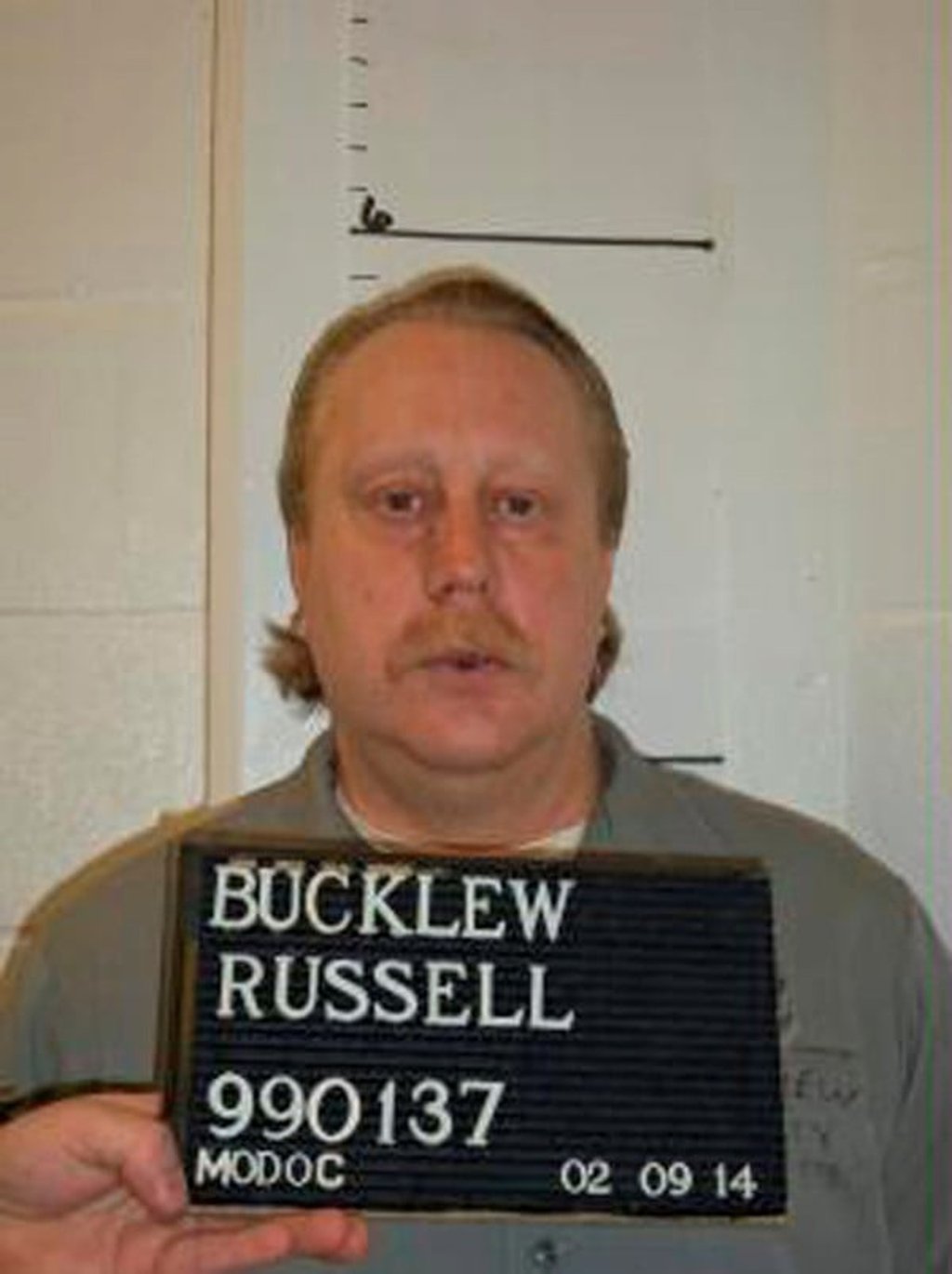
Bucklew suffers from a rare congenital disease known as cavernous hemangioma, which leaves him with growths on his head and neck. Those tumours could react poorly to drugs used in lethal injections, and cause Bucklew to choke or bleed during execution, advocates argue.