Scientists say they have transferred memories between sea slugs, via injection

Science may never know what wistful memories play on the mind of the California sea hare, a 30cm-long hermaphrodite marine slug, as it munches on algae in the shallow tide pools of the Pacific coast.
But in a new study, researchers claim to have made headway in understanding the simplest kind of memory a mollusc might form, and, with a swift injection, managed to transfer such a memory from one sea snail to another.
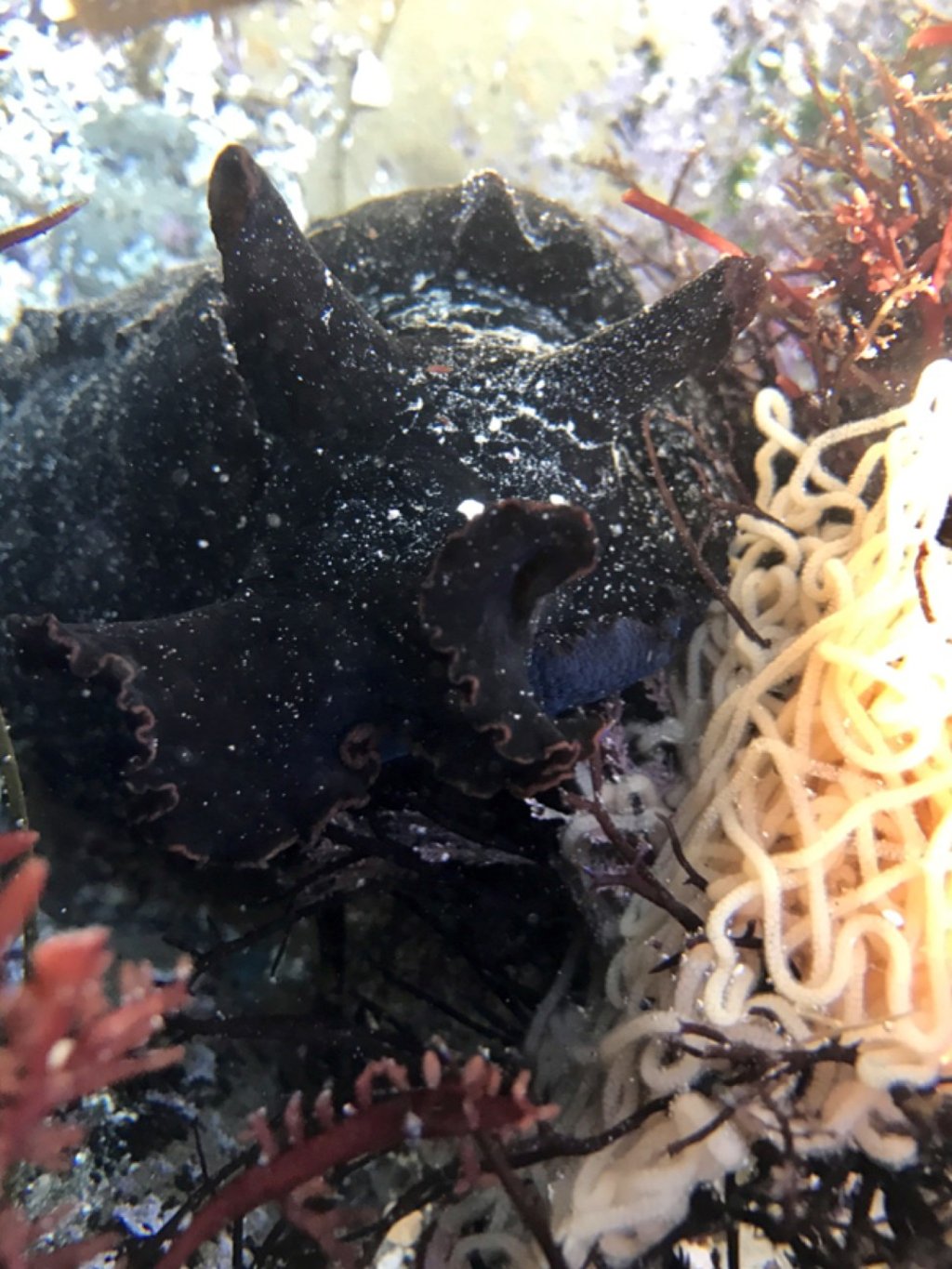
In an experiment to test the idea, Glanzman implanted wires into the tails of California sea hares, or Aplysia californica, and gave them a series of electric shocks. The procedure sensitised the animals so that when they were prodded in a fleshy spout called a siphon, they contracted their gills in a robust defensive action. Glanzman likens the reaction to being jumpy in the moments after an earthquake: the memory of the event induces an involuntary reflex to any loud noise.
After sensitising the sea snails, Glanzman extracted RNA from the animals and injected it into other sea snails to see what happened. He found the recipient sea snails became sensitised, suggesting the “memory” of the electrical shocks had been transplanted. When Glanzman repeated the experiment with RNA from sea snails that had been hooked up to wires but not shocked, the reflex behaviour did not transfer.
According to the researchers, the experiments show how essential parts of the memory trace, or engram, that gives rise to sea hare sensitisation are held in RNA, rather than in the connectivity of brain cells as traditional neuroscience dictates.