Literary giant Philip Roth, fearless narrator of American life ‘in all its shameful impurity’, dead at 85
Assailed for supposed misogyny and for his comic portrayal of fellow Jews, Roth was nevertheless regarded as one of the greatest writers to never win the Nobel Prize
Philip Roth, the prize-winning novelist and fearless narrator of sex, death, assimilation and fate, from the comic madness of Portnoy’s Complaint to the elegiac lyricism of American Pastoral, died Tuesday night at age 85.
Roth’s literary agent, Andrew Wylie, said he died in a New York City hospital of congestive heart failure.
Author of more than 25 books, Roth was a fierce satirist and uncompromising realist, confronting readers in a bold, direct style that scorned false sentiment or hopes for heavenly reward. He was an atheist who swore allegiance to earthly imagination, whether devising pornographic functions for raw liver or indulging romantic fantasies about Anne Frank. In The Plot Against America, published in 2004, he placed his own family under the anti-Semitic reign of President Charles Lindbergh. In 2010, in Nemesis, he subjected his native New Jersey to a polio epidemic.
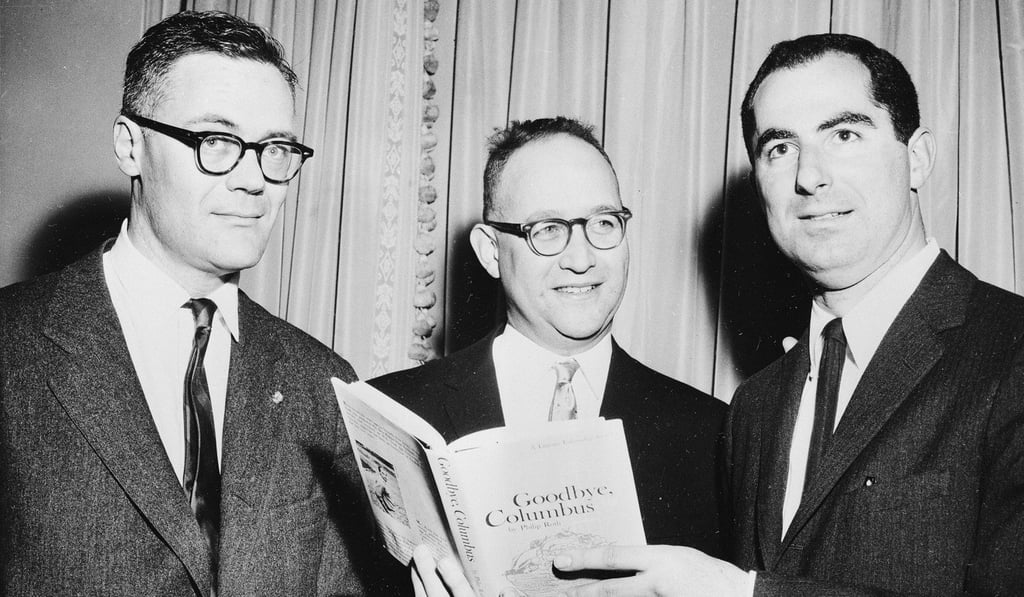
In this March 24, 1960 file photo, Philip Roth (right) is seen with fellow winners of the National Book Award, poet Robert Lowell, (left) and non-fiction winner Richard Ellmann. Roth, received the award in the fiction category for his book Goodbye, Columbus. Photo: AP
Advertisement
He was among greatest writers never to win the Nobel Prize. But he received virtually every other literary honour, including two National Book Awards, two National Book Critics Circle prizes and, in 1998, the Pulitzer for American Pastoral. He was in his 20s when he won his first award and awed critics and fellow writers by producing some of his most acclaimed novels in his 60s and 70s, including The Human Stain and Sabbath’s Theater, a savage narrative of lust and mortality he considered his finest work.
He identified himself as an American writer, not a Jewish one, but for Roth the American experience and the Jewish experience were often the same. While predecessors such as Saul Bellow and Bernard Malamud wrote of the Jews’ painful adjustment from immigrant life, Roth’s characters represented the next generation. Their first language was English, and they spoke without accents. They observed no rituals and belonged to no synagogues. The American dream, or nightmare, was to become “a Jew without Jews, without Judaism, without Zionism, without Jewishness.” The reality, more often, was to be regarded as a Jew among gentiles and a gentile among Jews.
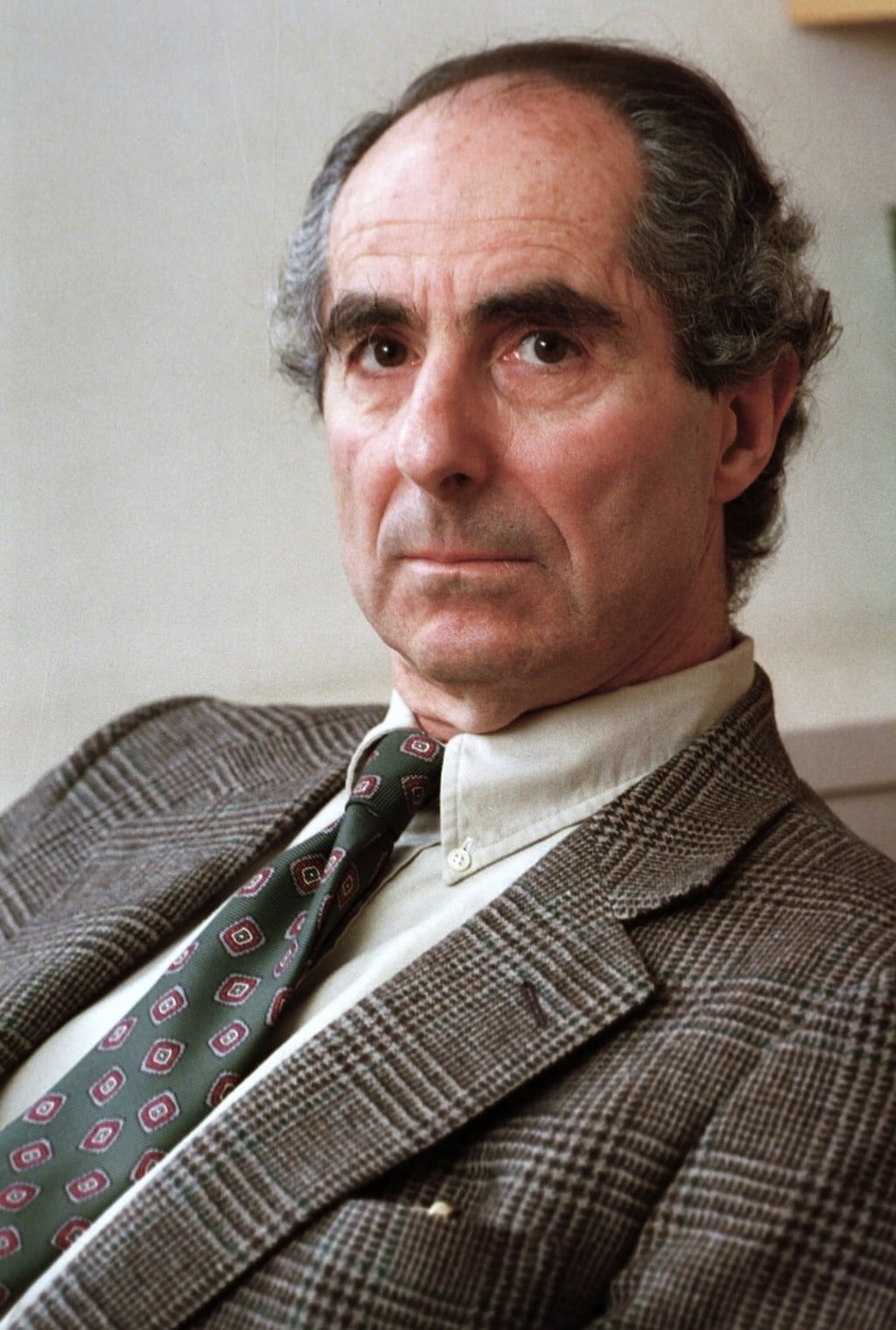
In this March 22, 1993 file photo, American author Philip Roth is seen during an interview promoting his new book
Advertisement
In the novel The Ghost Writer he quoted one of his heroes, Franz Kafka: “We should only read those books that bite and sting us.” For his critics, his books were to be repelled like a swarm of bees.