Taylor Swift ‘spying on fans’ using face recognition technology, claims Rolling Stone report
- Star said to use the technology as an anti-stalking measure, but critics argue it is not perfect and could cause security staff to target innocent people

Taylor Swift secretly spying on her fans using facial recognition technology might sound like science fiction – but Rolling Stone reported on Thursday that the pop star has been doing exactly that in an effort to root out stalkers.
Swift has stayed silent on the report, declining to comment to The Guardian and other news organisations. But the episode has raised ethical questions for civil rights groups concerned about privacy.
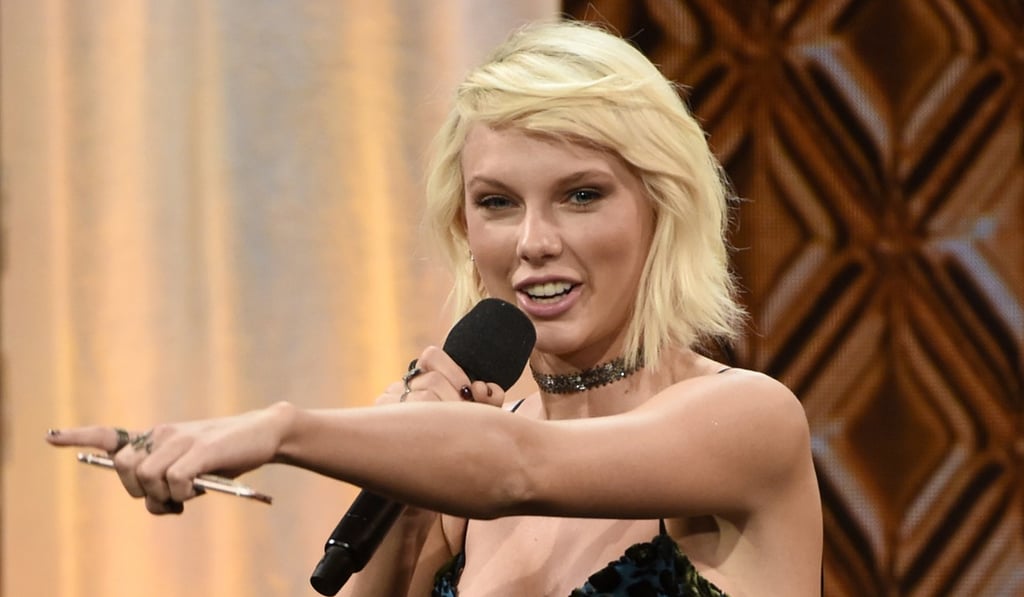
“Stalkers are a generally scary phenomenon and everyone understands why someone like Taylor Swift would want to be protected against them,” said Jay Stanley, the ACLU’s senior policy analyst. “But this does have larger implications. It is not about this one deployment, it is about where this is technology is headed.”
According to a study by Georgetown University in 2016, roughly 117 million people’s identities are already in facial recognition databases and there is minimal legal instruction on how that data can be used.
Whoever set up this system was using subterfuge to get people to look into a screen and record people’s faces without their knowledge
“It is generally the wild west when it comes to the use of this technology,” Stanley said, adding that Illinois was the only US state with comprehensive laws on the books about how biometric technology can be accessed and used.