Chinese and US trade negotiators tussle over enforcement issues during ‘very productive talks’
- Donald Trump tweets positive remark but offers no hint of outcome as negotiations enter fourth day
- Discussions on Sunday revolve around the thorny issue of how to enforce a potential trade deal

US and Chinese negotiators trying to hammer out an agreement that would avert an escalation in their bilateral trade war remain at odds over US government demands on how to enforce commitments made by Beijing, according to sources familiar with the ongoing talks in Washington.
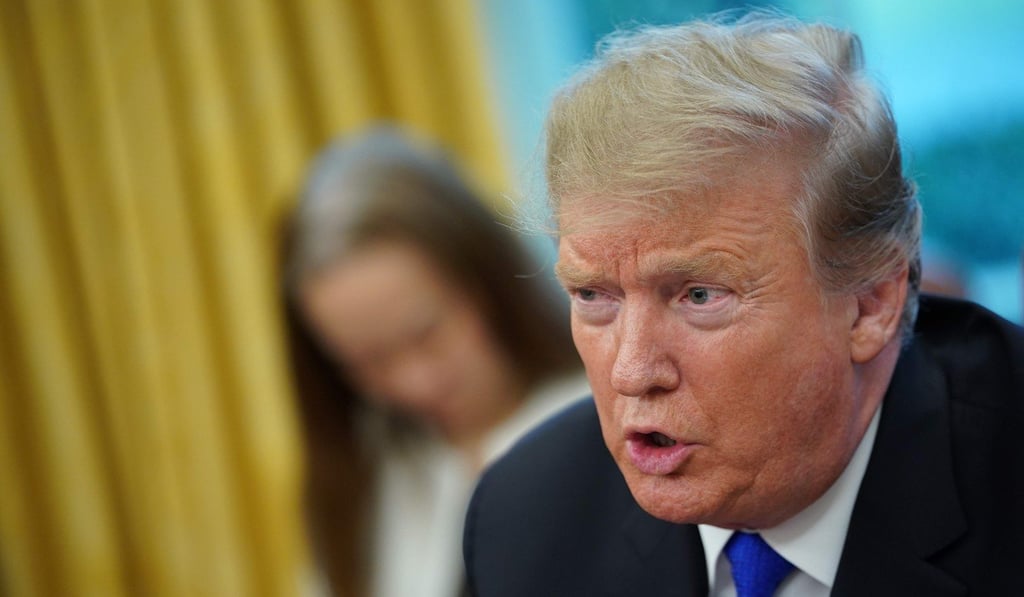
The negotiating teams have been silent since US President Donald Trump and Chinese Vice Premier Liu He met in the White House’s Oval Office on Friday to announce that the talks would carry on for two additional days, with Liu citing “positive progress” and Trump saying the talks have been “very productive”.
The US has been asking for an agreement on specific benchmarks that would assess China's progress in upholding commitments on market access for US firms and other regulatory issues, according to one source briefed on the negotiations.
If China should fail to meet the benchmarks within specific time frames, the source said, the US would immediately resume its tariff sanctions, and Beijing is holding firm against giving Washington unilateral authority to make such assessments.
Meanwhile, proposals to establish a joint enforcement task force, which was tabled two weeks ago, have failed to produce a breakthrough because Washington still wants the right to act unilaterally if it determines that commitments have not been met, according to another source familiar with the negotiations.