What happened on the day the dinosaurs died? Fossils shed light on global chaos
- Roughly three in four species perished in what’s called the K-T extinction. The killer asteroid most famously claimed the dinosaurs

Sixty-six million years ago, a massive asteroid crashed into a shallow sea near Mexico. The impact carved out a 90-mile-wide crater and flung mountains of earth into space. Earthbound debris fell to the planet in droplets of molten rock and glass.
Ancient fish caught glass blobs in their gills as they swam, gape-mouthed, beneath the strange rain. Large, sloshing waves threw animals onto dry land, then more waves buried them in silt. Scientists working in North Dakota recently dug up fossils of these fish: They died within the first minutes or hours after the asteroid hit, according to a paper published on Friday in Proceedings of the National Academy of Sciences, a discovery that has sparked tremendous excitement among paleontologists.
“You’re going back to the day that the dinosaurs died,” said Timothy Bralower, a Pennsylvania State University paleoceanographer, who is studying the impact crater and was not involved with this work. “That’s what this is. This is the day the dinosaurs died.”
Roughly three in four species perished in what’s called the Cretaceous-Paleogene extinction, also known as the K-Pg event or K-T extinction. The killer asteroid most famously claimed the dinosaurs.
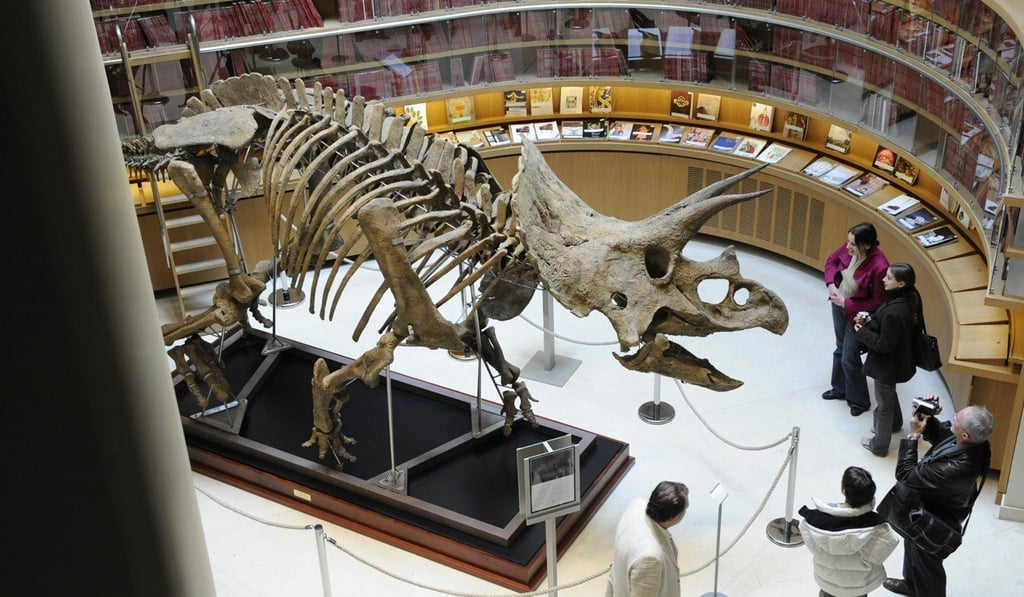
But T. rex and Triceratops were joined by hordes of other living things. Freshwater and marine creatures were victims, as were plants and microorganisms, including 93 per cent of plankton. (A lone branch of dinosaurs, the birds, lives on.)