US charges WikiLeaks founder Julian Assange with violating Espionage Act, threatening him with up to 170 years in jail
- Move raises questions about limits of the First Amendment and protections for publishers of classified information, including the press
- Prosecutors say Assange worked with former Army intelligence analyst Chelsea Manning to obtain and disseminate national defence documents

Federal prosecutors on Thursday accused WikiLeaks founder Julian Assange of violating the Espionage Act, bringing against him a new, 18-count indictment alleging that he unlawfully obtained and disclosed national defence information.
The new charges dramatically raise the stakes of the case both for Assange and the news media, raising questions about the limits of the First Amendment and protections for publishers of classified information.
Prosecutors say Assange worked with a former Army intelligence analyst to obtain and disseminate classified information – conduct of which many traditional reporters might also be accused. Prosecutors, though, sought to distinguish the anti-secrecy advocate from a traditional reporter.
“Julian Assange is no journalist,” said John Demers, the Justice Department’s Assistant Attorney General for National Security. He said Assange engaged in “explicit solicitation of classified information”.
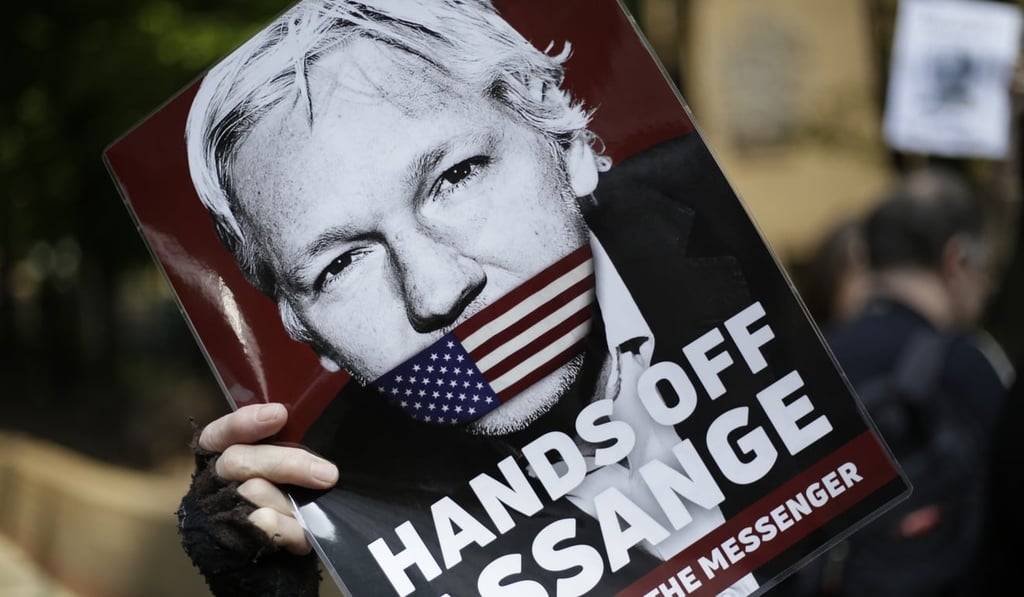
Assange was previously indicted by a US grand jury over his interactions in 2010 with Chelsea Manning, the former Army intelligence analyst who shared hundreds of thousands of classified war logs and diplomatic papers with WikiLeaks.
If convicted, Assange would face a maximum of five years in prison under that conspiracy charge. The new charges carry with them a maximum possible sentence of 170 years in prison.