Advertisement
Researchers avoiding hormonal female mice sparks call for rethink on sexism in science
- Essay in the journal Science argues that the stereotypes that have plagued women since at least the 1800s have also affected decades of neuroscience research involving mice and other animals
4-MIN READ4-MIN

Is sexism getting in the way of good science?
An essay published in Thursday’s edition of the journal Science argues that the stereotypes that have plagued women since at least the 1800s – that they are emotional creatures who are more prone to hormone-fuelled mood swings than men – have also affected decades of neuroscience research involving mice and other animals.
Until recently, most neuroscience labs have conducted their experiments on males only, said essay author Rebecca Shanksy, a neuroscientist at Northeastern University in Boston. Scientists justified this exclusion by claiming that fluctuating hormone levels in females had the potential to make test results “messy”.
Advertisement
This was true even for research involving disorders that are more likely to affect women, like depression and PTSD.
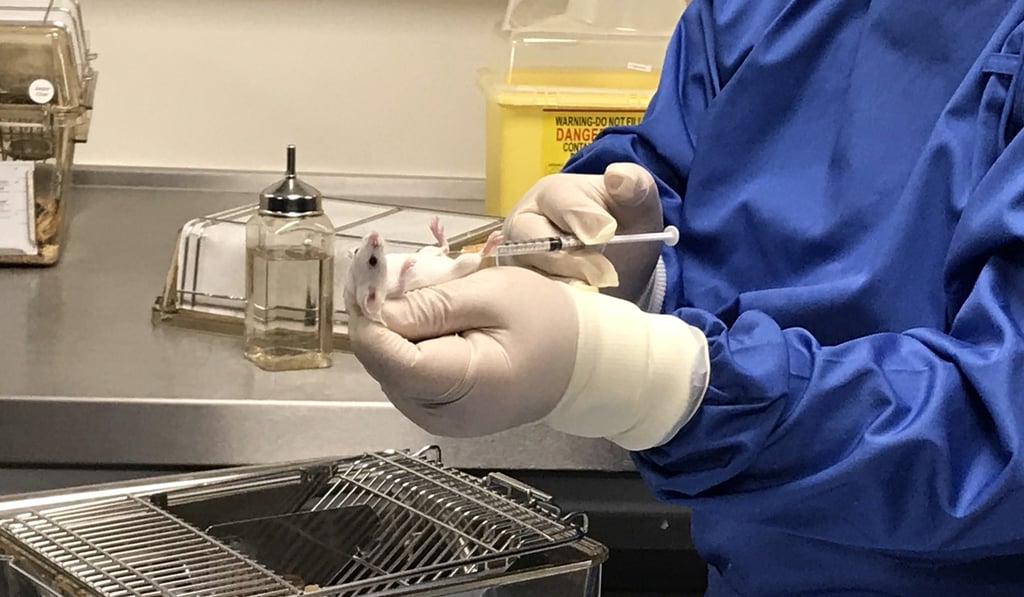
“I came to realise that we are viewing female rodents as research subjects through the same lens that we talk about women in society,” Shanksy said. “That is problematic if we are supposed to be objective scientists.”
Advertisement
Advertisement
Select Voice
Select Speed
1.00x