Is Trump Tower among New York’s most energy-greedy skyscrapers?
- Law passed by New York City Council requires buildings of more than 25,000 sq ft to reduce emissions by 40 per cent by 2030 from their 2005 levels
- But some older buildings, like the Empire State Building, have already begun to address the problem

It’s a tall order indeed: how do you make ageing, energy-hungry skyscrapers more efficient and less polluting?
The city of New York, the historic capital of the skyscraper, is determined to do so by requiring the enormous buildings to drastically curtail their energy consumption.
Traditional skyscrapers are an energy-saver’s nightmare, with their vast glass facades, electric lighting everywhere, overly generous use of air conditioning and heating, and elevators by the dozen: they almost seem designed to consume a maximum of energy while emitting copious quantities of greenhouse gases.
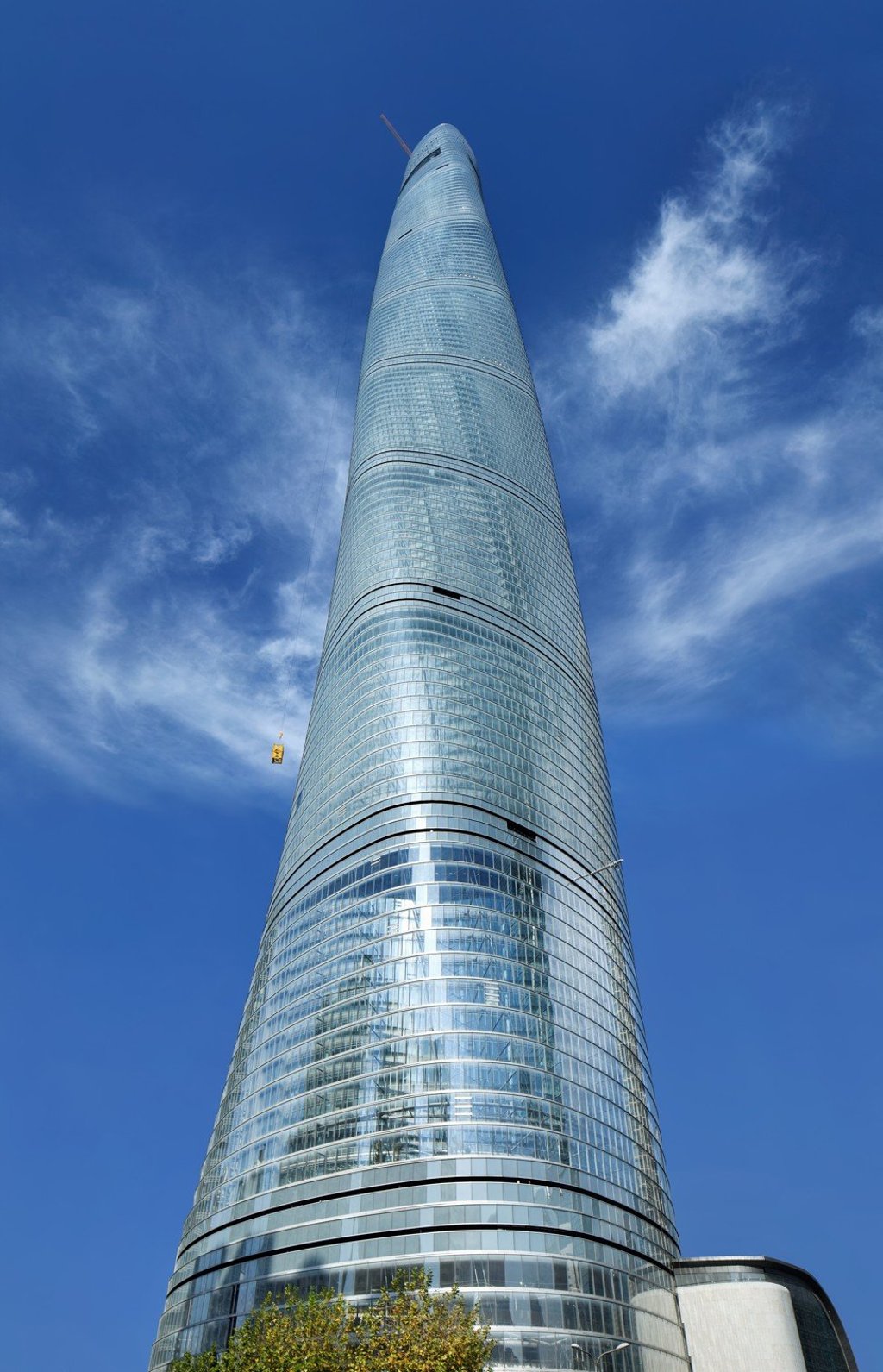
If a growing number of newer skyscrapers around the world are designed, from the start, to be energy-efficient – the Shard in London and Shanghai Tower in China are two examples – the costs and effort involved in transforming an older building, built decades before the world became conscious of global warming, can be daunting.
And yet those are precisely the buildings targeted by the Climate Mobilisation Act, passed in late April by the city council of the largest US metropolis as part of its commitment to reduce emissions by 80 per cent from now through 2050.