Justin Trudeau’s cabinet approves controversial Trans Mountain pipeline expansion
- State-owned project will add 590,000 barrels of daily crude oil shipping capacity, a 15 per cent boost to Western Canada’s current four million
- Expansion has been beset by legal challenges from environmentalists, indigenous groups and the British Columbia provincial government
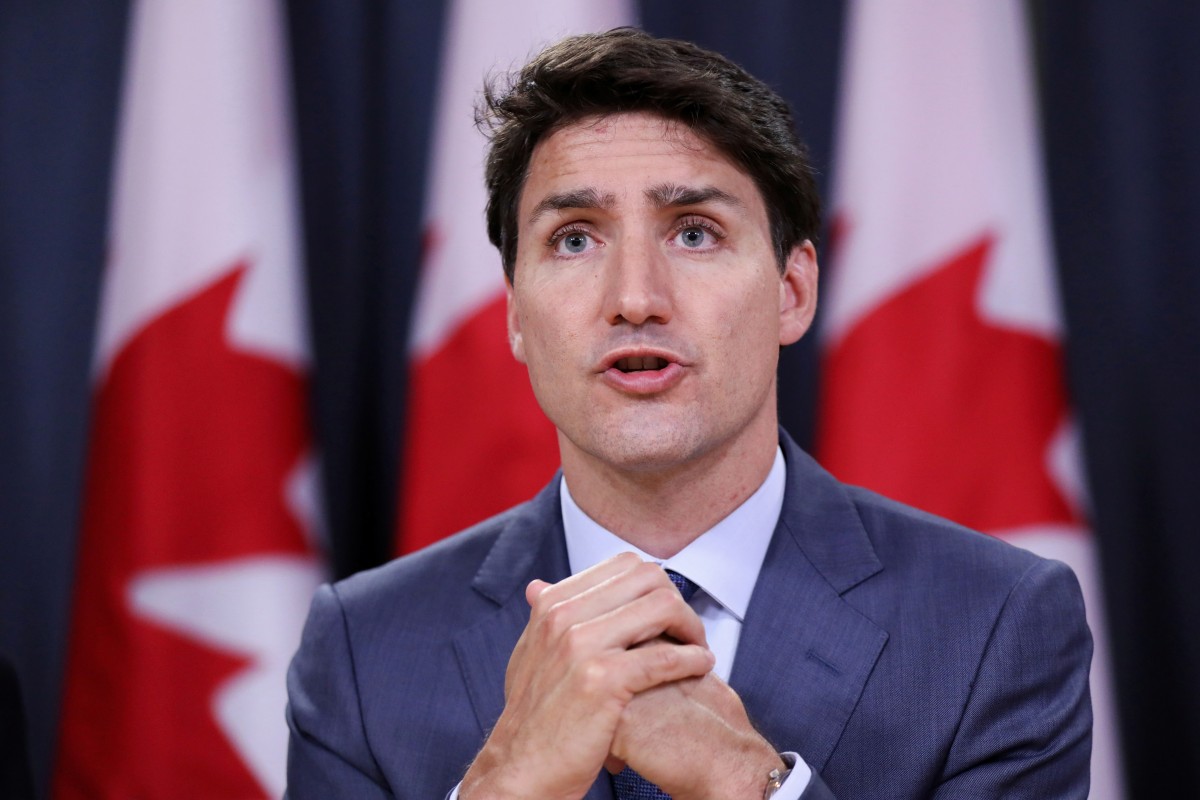
Canadian Prime Minister Justin Trudeau’s government decided on Tuesday to proceed with the construction of a major crude oil pipeline, saying the project has met strict requirements on safety and consultation with indigenous groups.
Trudeau’s cabinet approved the expansion of Trans Mountain, a state-owned pipeline that runs from Alberta to Vancouver. The line will add 590,000 barrels of daily shipping capacity, a 15 per cent boost to Western Canada’s current four million.
Trudeau said the crown corporation responsible for building the pipeline hopes to have shovels in the ground in the current construction season.
“Take a look at my record, and you’ll see that I’ve talked about the importance of developing our resources for a long time,” Trudeau said at a press conference in Ottawa. But “in order to get the job done, Canada needed to have its act together on the environment”.
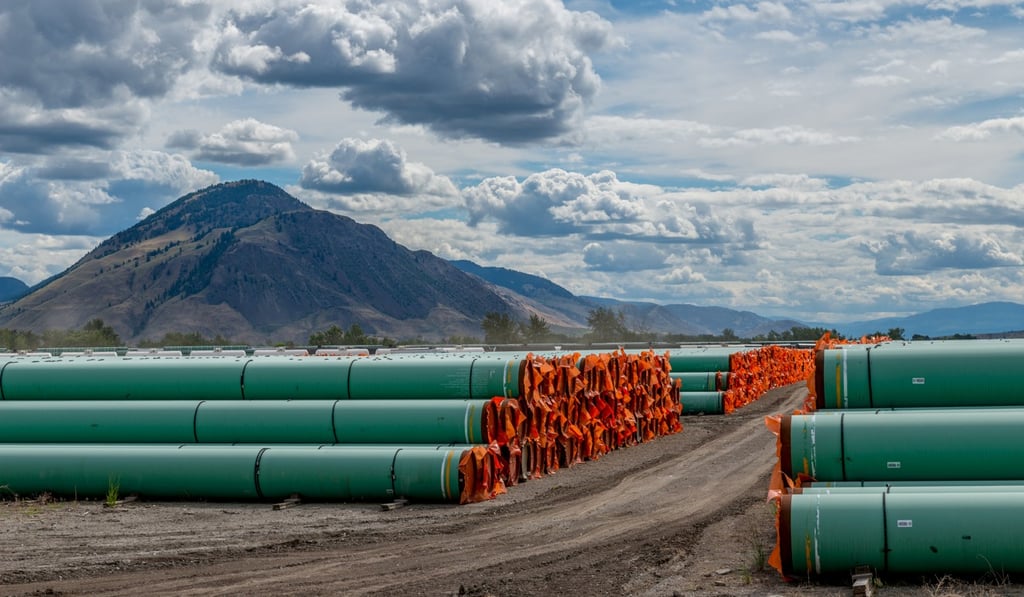
For years, Trans Mountain has been beset by legal challenges from environmentalists, indigenous groups and the British Columbia provincial government.