Could the Apollo 11 moon landing be duplicated today?
- Technically it would be easier, but politically and financially it would be a different question
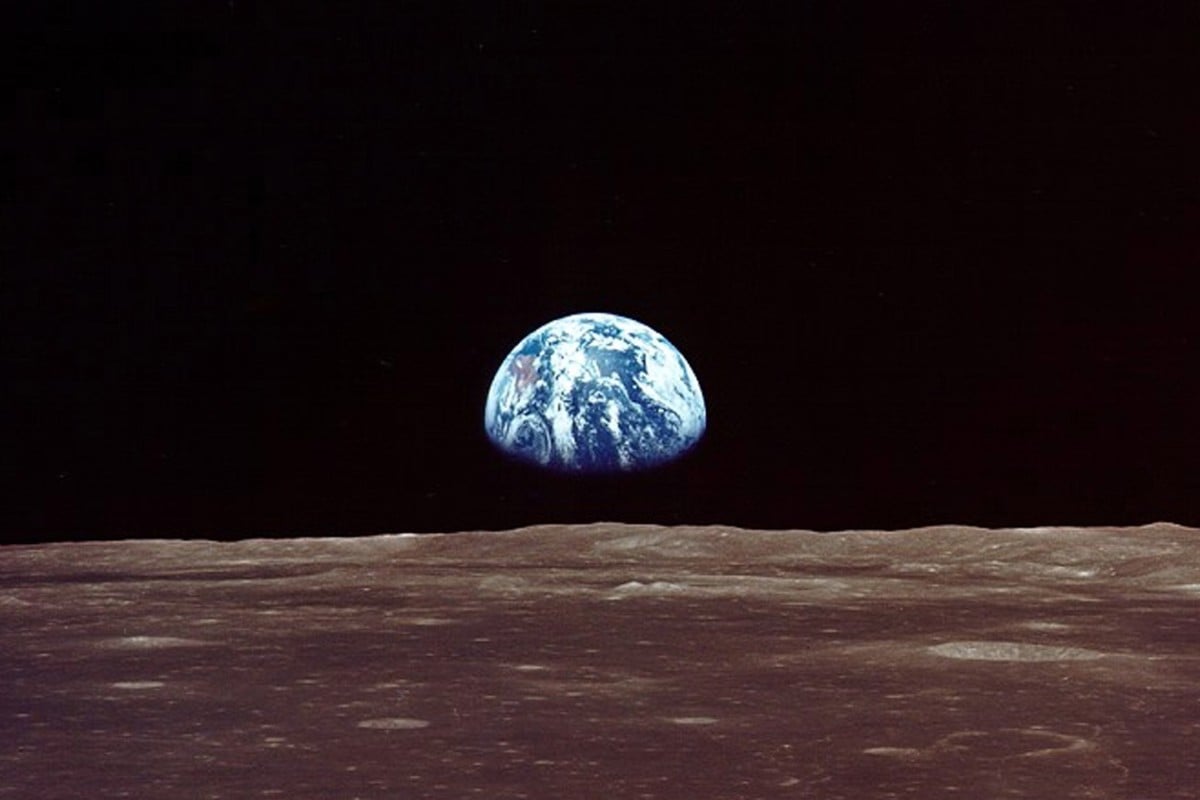
The passage of half a century has blurred many of the reasons that the United States was able to accomplish what seemed like science fiction: the July 20, 1969, landing of Apollo 11 on the moon.
The Apollo programme’s stunning technical success depended on a government leadership culture, an industrial organisation, a tolerance for risk and a political environment that do not exist today – even as Nasa insists it will land humans on the moon in five years.
Could it be duplicated?
“Lots of luck with that,” said Jay Honeycutt, an Apollo-era engineer in flight operations who later became chief of the Kennedy Space Centre in Florida.
“We could if they let us.”
Honeycutt was among more than a dozen Apollo-era leaders and contemporary space experts who agreed, in interviews, that changes in American society have made the idea of landing humans on the moon far more challenging now than it was 50 years ago.
“Technically it would be easier today, because we have more tools,” said Gerry Griffin, an Apollo-era flight director who later became chief of the Johnson Space Centre in Texas.