Author Toni Morrison, first black woman to win a Nobel Prize, dies age 88
- A giant of modern American literature dramatised the pursuit of freedom within the boundaries of races in novels like Beloved and Song of Solomon

Nobel laureate Toni Morrison, a pioneer and reigning giant of modern literature whose imaginative power in Beloved, Song of Solomon and other works transformed American letters by dramatising the pursuit of freedom within the boundaries of race, has died aged 88.
Publisher Alfred A. Knopf announced that Morrison had died on Monday night at Montefiore Medical Centre in New York. Morrison’s family issued a statement through Knopf saying she died after a brief illness.
“Toni Morrison passed away peacefully last night surrounded by family and friends,” the family announced. “She was an extremely devoted mother, grandmother, and aunt who revelled in being with her family and friends. The consummate writer who treasured the written word, whether her own, her students or others, she read voraciously and was most at home when writing.”
Few authors rose in such rapid, spectacular style. She was nearly 40 when her first novel, The Bluest Eye, was published. By her early 60s, after just six novels, she had become the first black woman to receive the Nobel literature prize, praised in 1993 by the Swedish academy for her “visionary force” and for her delving into “language itself, a language she wants to liberate” from categories of black and white. In 2019, she was featured in an acclaimed documentary, Toni Morrison: The Pieces I Am.
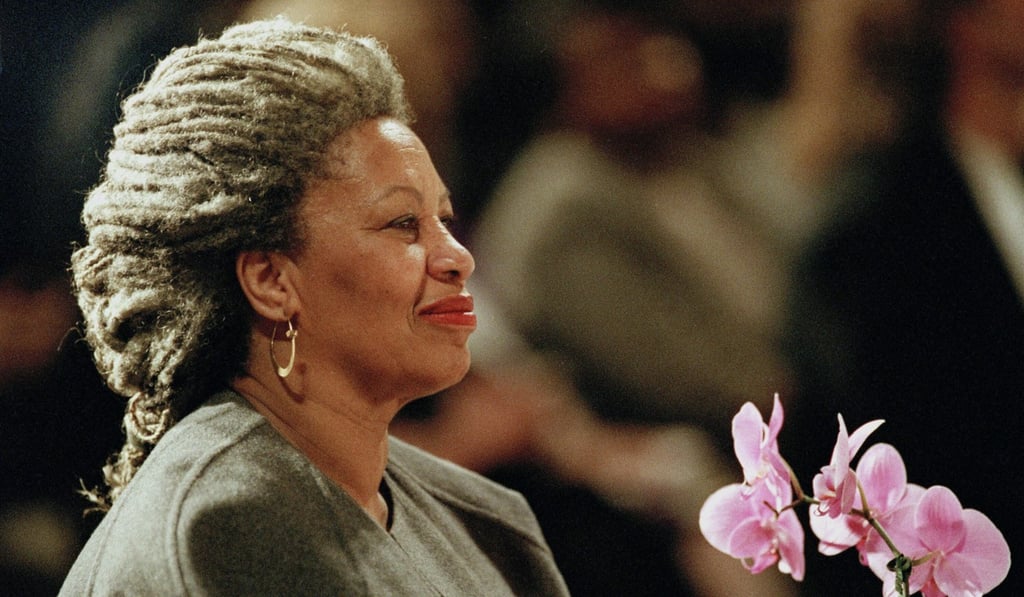
Morrison helped raise American multiculturalism to the world stage and bring her country’s past out into the open, unearthing the lives of the unknown and the unwanted, those she would call “the unfree at the heart of the democratic experiment.”
In her novels, history – black history – was a trove of poetry, tragedy, love, adventure and good old gossip, whether in small-town Ohio in Sula or big-city Harlem in Jazz. She regarded race as a social construct and through language founded the better world her characters suffered to attain.