Is eating red meat bad for you? Debate over new research reveals divisions among nutritionists
- Researchers say the increased risks are small and uncertain and that cutting back likely wouldn’t be worth it for people who enjoy meat
- Their conclusions were swiftly attacked by a group of prominent US scientists who took the unusual step of trying to stop publication

Eating red meat is linked to cancer and heart disease, but are the risks big enough to give up burgers and steak?
A team of international researchers says probably not, contradicting established advice. In a series of papers published on Monday, the researchers say the increased risks are small and uncertain and that cutting back likely wouldn’t be worth it for people who enjoy meat.
Their conclusions were swiftly attacked by a group of prominent US scientists who took the unusual step of trying to stop publication until their criticisms were addressed.
The new work does not say red meat and processed meats like hot dogs and bacon are healthy or that people should eat more of them. The reviews of past studies generally support the ties to cancer, heart disease and other bad health outcomes. But the authors say the evidence is weak, and that there’s not much certainty meat is really the culprit, since other diet and lifestyle factors could be at play.
Most people who understand the magnitude of the risks would say “thanks very much, but I’m going to keep eating my meat,” said co-author Dr Gordon Guyatt of McMaster University in Canada.
It’s the latest example of how divisive nutrition research has become, with its uncertainties leaving the door open for conflicting advice. Critics say findings often aren’t backed by strong evidence.
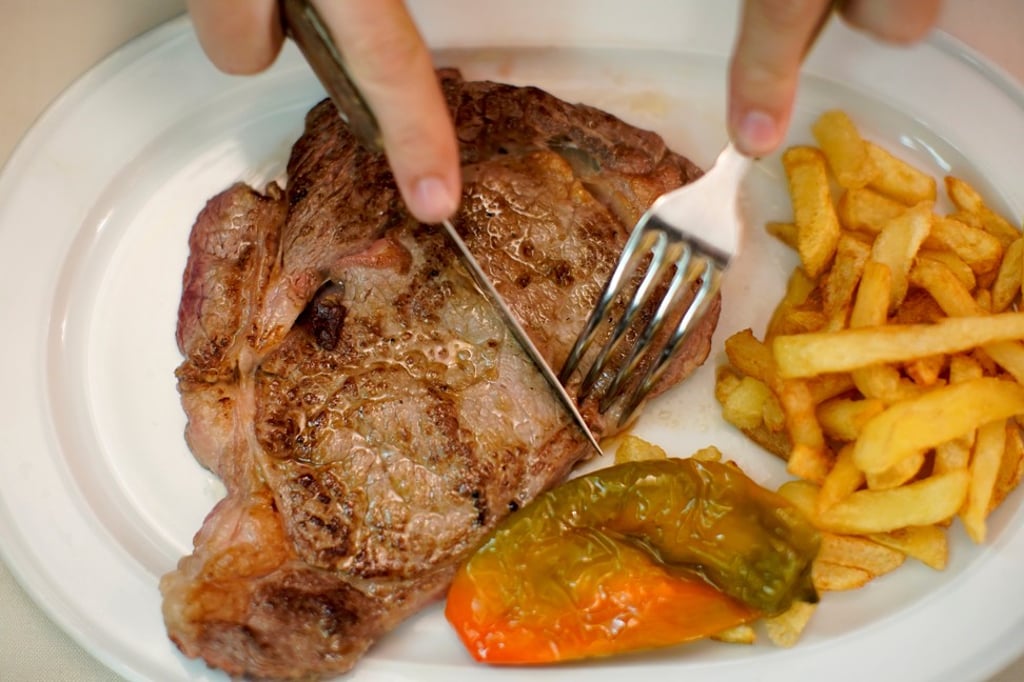
Defenders counter that nutrition studies can rarely be conclusive because of the difficulty of measuring the effects of any single food, but that methods have improved.