Huawei’s latest US headache: Senate bill would spend US$1 billion on developing a 5G competitor
- ‘We cannot allow Chinese state-directed telecommunications companies to surpass American competitors,’ says sponsor Senator Marco Rubio
- The bill is introduced a day after Secretary of State Mike Pompeo tells Silicon Valley group China ‘presents unique challenges, especially to your industry’
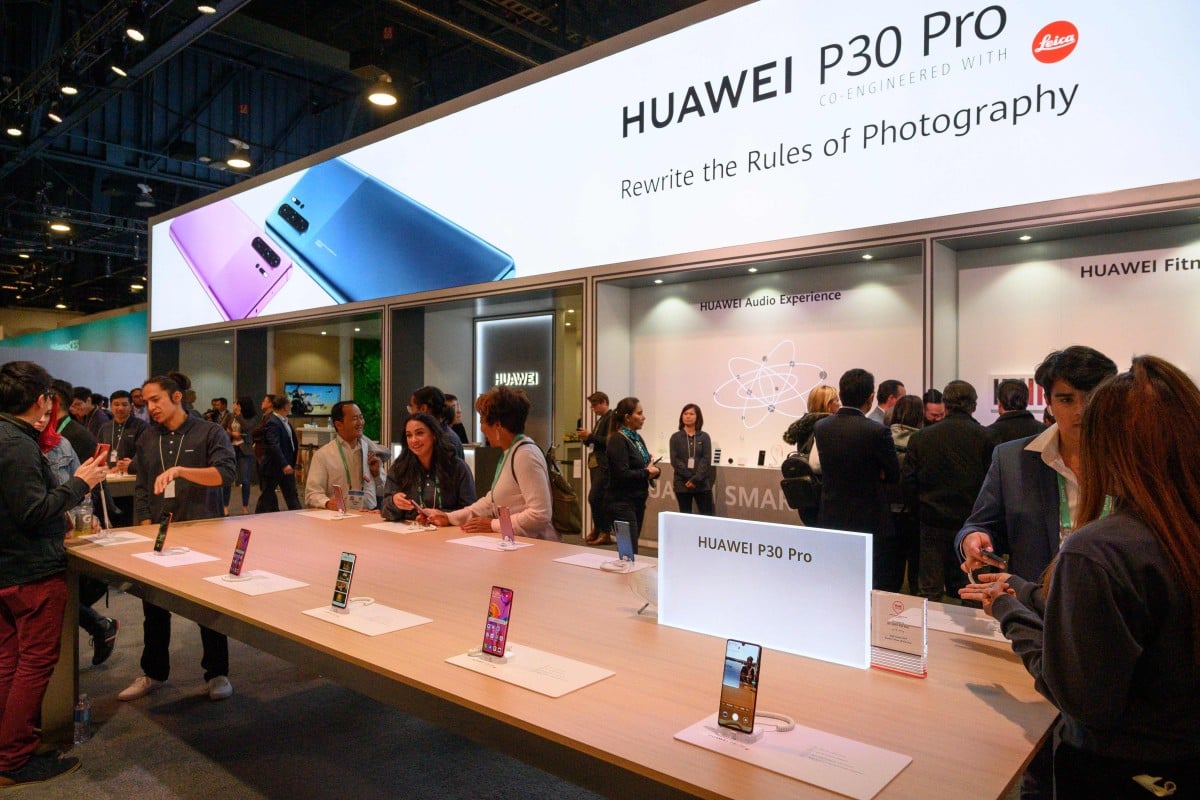
New legislation introduced in the US Senate on Tuesday aims to create a viable Western alternative to Huawei Technologies and undercut China’s dominance in global 5G networks.
One of the biggest problems in Washington’s bid to counter Chinese strength in 5G networks – the faster and higher capacity fifth generation of telecommunication systems – is the lack of global alternatives to Huawei.
The US does not now have a viable competitor, while Finland’s Nokia, Sweden’s Ericsson and even South Korea’s Samsung cannot match the complete technological package and attractive financing that Huawei offers.
The Senate bill tries to address that gap. If passed, it would spend more than US$1 billion to bolster Western competitiveness, allocate new spectrum and support research and development in the telecommunications industry.
“We are at a critical point in history for defining the future of the US-China relationship in the 21st century, and we cannot allow Chinese state-directed telecommunications companies to surpass American competitors,” said Senator Marco Rubio, Republican of Florida, a sponsor of the bill.
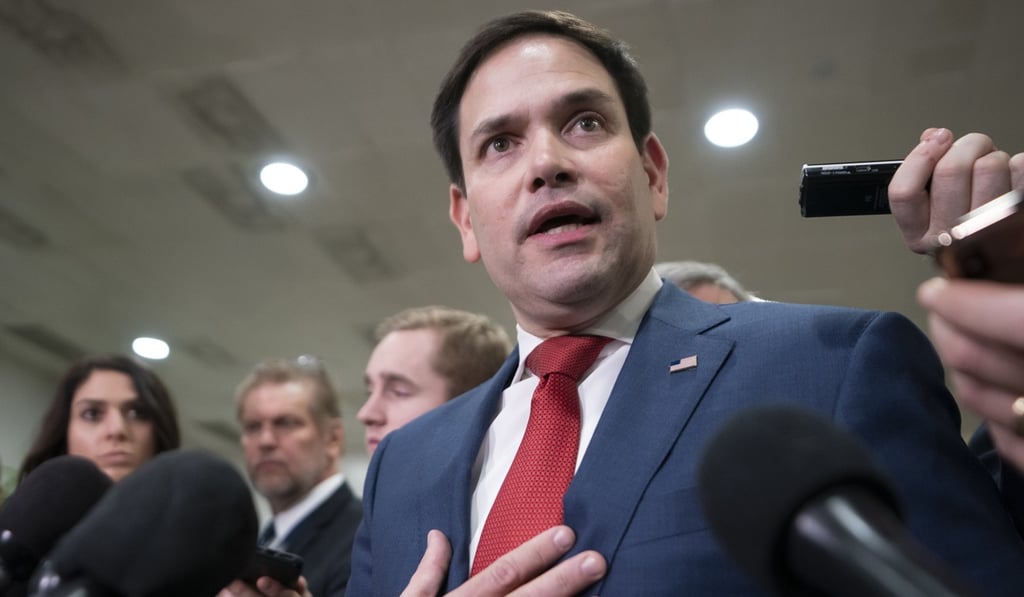
Rubio added that Washington’s efforts at convincing foreign allies to ban the Shenzhen-based Huawei from their networks have been encumbered by a lack of viable, affordable alternatives. Those, he said, were needed to counter “malign state-directed telecommunications companies that pose a clear and growing threat to the economic and national security of the US and our allies”.