US now arms submarines with ‘low-yield’ W76-2 nukes, less powerful than Hiroshima bomb
- US already uses at lower-yield air-launched nuclear weapons, but are arming subs with them for first time
- The yield, or destructive power, of the W76-2 is classified. But experts say it may be about 5 kilotons
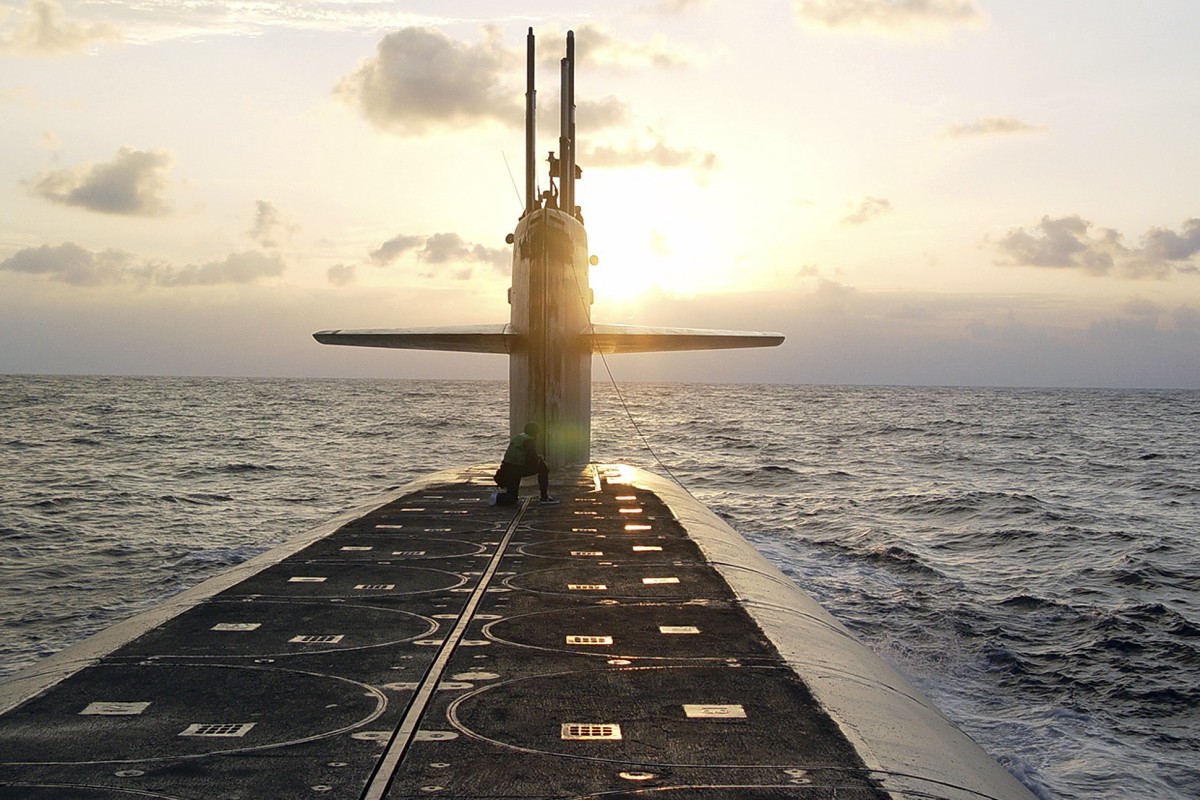
The US military has deployed a new addition to its nuclear arsenal – a long-range missile armed with a nuclear warhead of reduced destructive power. The so-called low-yield missile joins other, more powerful weapons aboard stealthy submarines prowling the oceans.
The debut deployment aboard long-range submarines, known as boomers, is a landmark in US nuclear weapons policy. It is the first major addition to the strategic nuclear arsenal in recent decades and is a departure from the Obama administration’s policy of lessening dependence on nuclear weapons in pursuit of a nuclear-free world.
In confirming the missile deployment to Associated Press, the Pentagon’s top policy official asserted that the weapon makes Americans safer by making nuclear war less likely. Critics, including some Democrats in Congress, call it a dangerous excess that increases the risk of war.
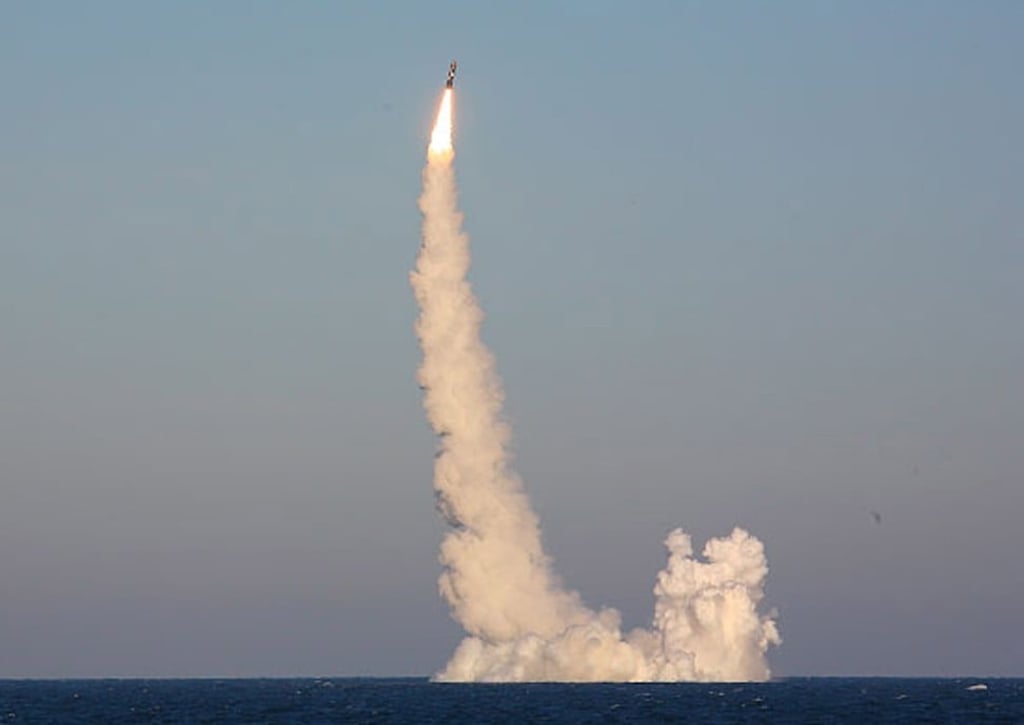
John Rood, the undersecretary of defence for policy, said in an AP interview Monday that adding the “low-yield” warhead, known as the W76-2, to submarines which tote Trident II ballistic missiles lowers the risk of nuclear war. He said the United States will continue its stated policy of using nuclear weapons only in “extraordinary circumstances”. He also said the warhead will help the United States dissuade Russia from risking launching a limited nuclear conflict.
“This supplemental capability strengthens deterrence and provides the United States a prompt, more survivable low-yield strategic weapon,” Rood said, adding that it supports the US commitment to deter attacks against allies, and “demonstrates to potential adversaries that there is no advantage to limited nuclear employment because the United States can credibly and decisively respond to any threat scenario”.