US designates 5 Chinese state media outlets as Beijing operatives
- Xinhua, China Daily and CGTN are among the outlets deemed ‘foreign missions’ by US State Department
- Media groups will have to obey rules similar to those imposed on embassies and consulates

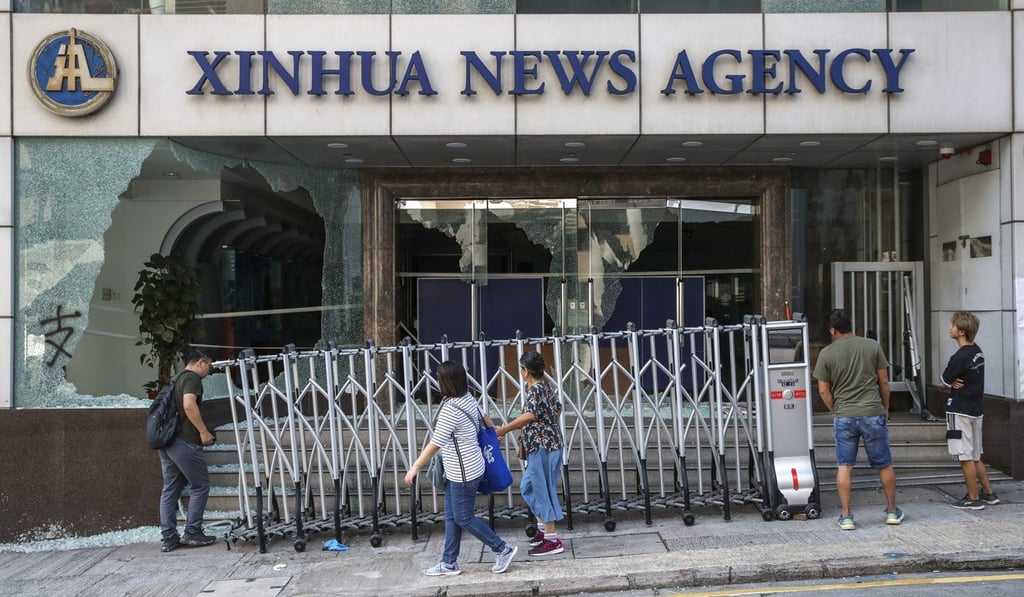
The US government on Tuesday declared several mainland Chinese media outlets, including state news agency Xinhua, to be foreign government functionaries, identifying them as agencies controlled by Beijing.
China Global Television Network (CGTN), China Radio International, China Daily and Hai Tian Development USA were also deemed “foreign missions”, which will require their staff to register with the US State Department the same way that embassy and consular employees do, according to a department official.
“These five entities all meet the definition of a foreign mission under the Foreign Missions Act, which is to say that they are ‘substantially owned or effectively controlled’ by a foreign government,” the official said. “They are effectively controlled by the government of the People’s Republic of China.”
Xinhua, China Radio, the English-language China Daily and CGTN – an English-language broadcaster – are all controlled by China’s central government. Hai Tian is the New York-based distribution agent for People’s Daily, the official newspaper of the ruling Chinese Communist Party.
The change in status also requires that the outlets declare their US real estate holdings to the State Department and seek approval for any additional purchases.
The State Department’s move follows increasing warnings from government officials and lawmakers about the threat China poses to the national security of the US and its allies.