Coronavirus research ‘breakthrough’: US scientists announce creation of atomic map of virus
- The mapping is an important step toward developing a vaccine and treatments
- Team from the University of Texas at Austin and the National Institutes of Health published their findings in the journal Science
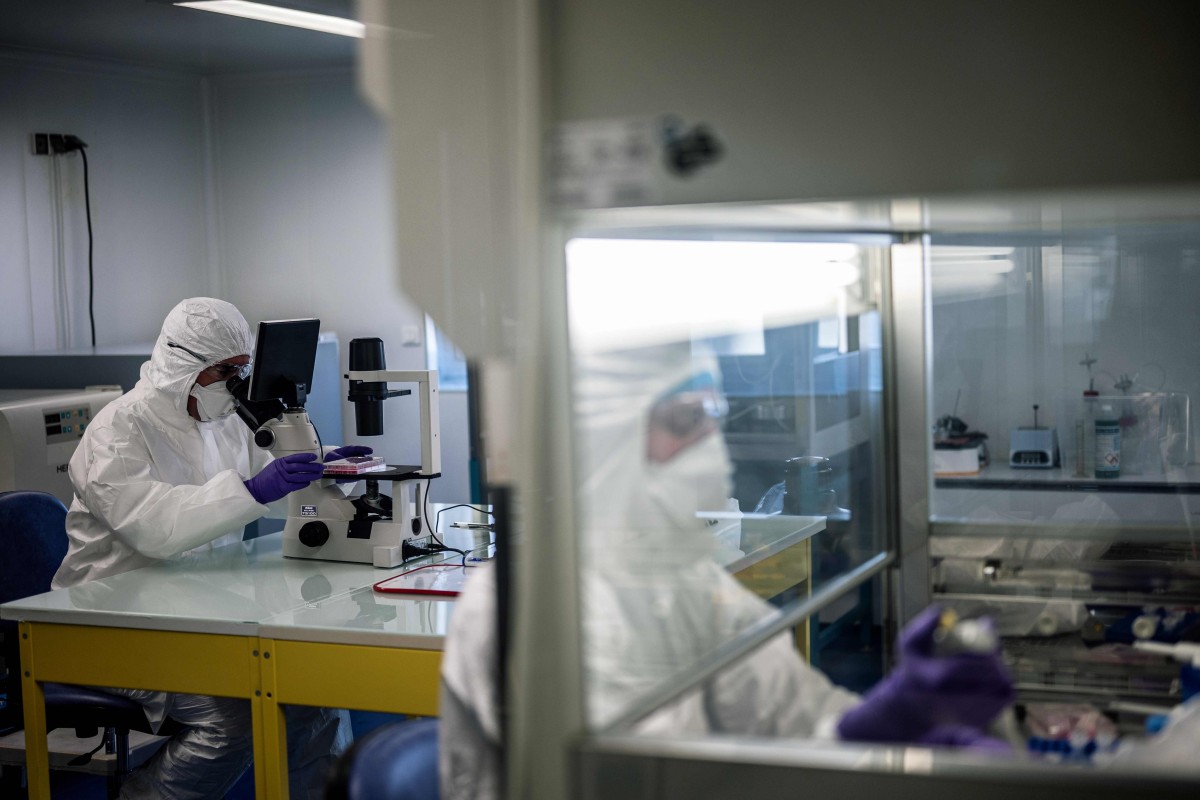
US scientists announced on Wednesday that they had created the first 3D atomic scale map of the part of the novel coronavirus that attaches to and infects human cells, a critical step toward developing a vaccine and treatments.
It came as the death toll from the Covid-19 illness jumped past 2,000, almost all of them in mainland China, where 74,185 cases of infection have been confirmed since it first emerged in late December.
The team from the University of Texas at Austin and the National Institutes of Health (NIH) first studied the genetic code of the virus made publicly available by Chinese researchers and used it to develop a stabilised sample of a key part called the spike protein.
They then imaged the spike protein using cutting-edge technology known as cryogenic electron microscopy, publishing their findings in the journal Science.
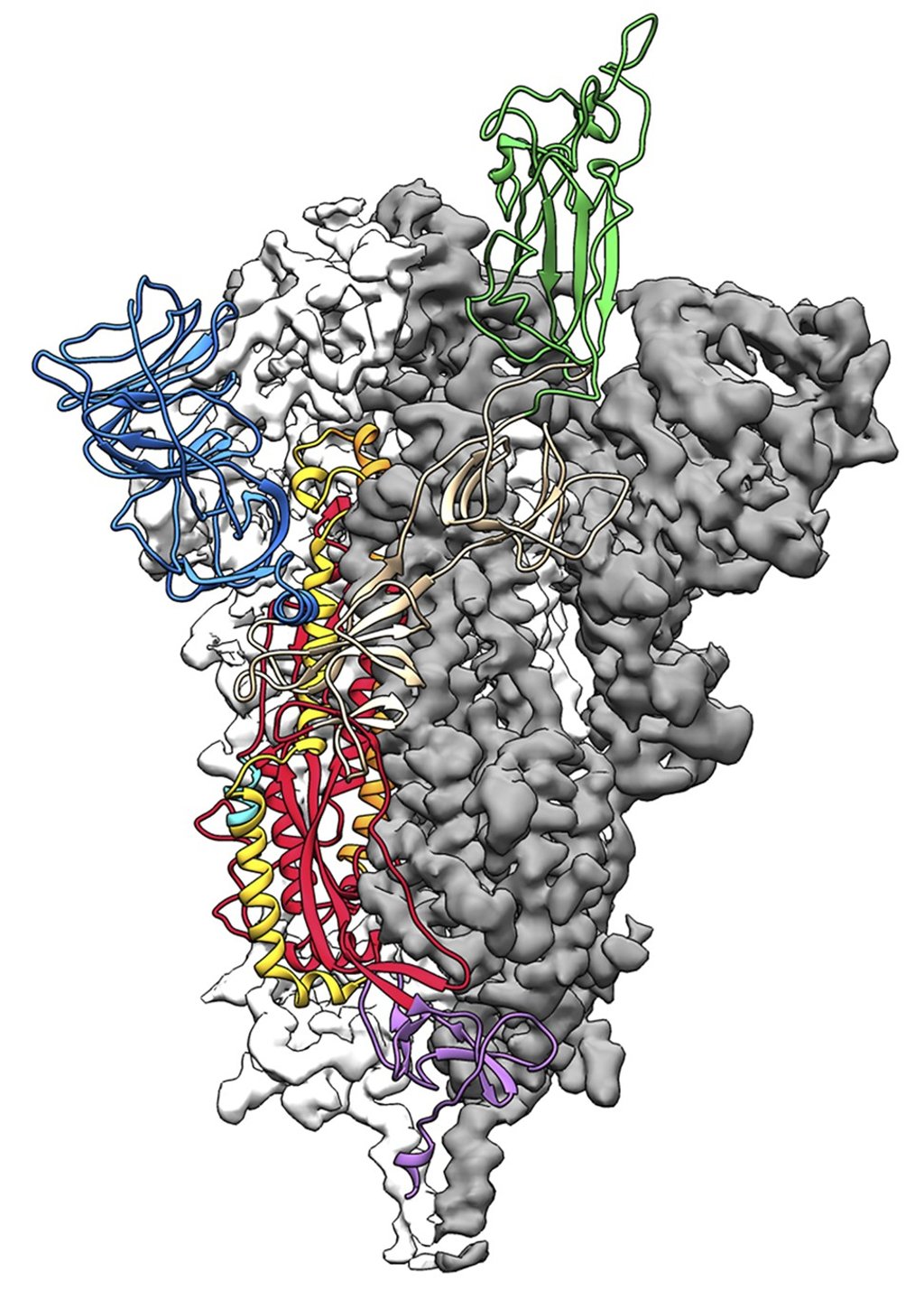
“The spike is really the antigen that we want to introduce into humans to prime their immune response to make antibodies against this, so that when they then see the actual virus, their immune systems are ready and loaded to attack,” said University of Texas scientist Jason McLellan, who led the research.
He added that he and his colleagues had already spent many years studying other members of the coronavirus family including Sars and Mers, which helped them develop the engineering methods required to keep the spike protein stable.