Coronavirus panic buying: the psychology behind toilet paper hoarding
- Game theory alone can’t explain why loo rolls are disappearing off shelves faster than canned goods and other key items
- Such behaviour also occurred in previous pandemics, including Spanish flu in 1918
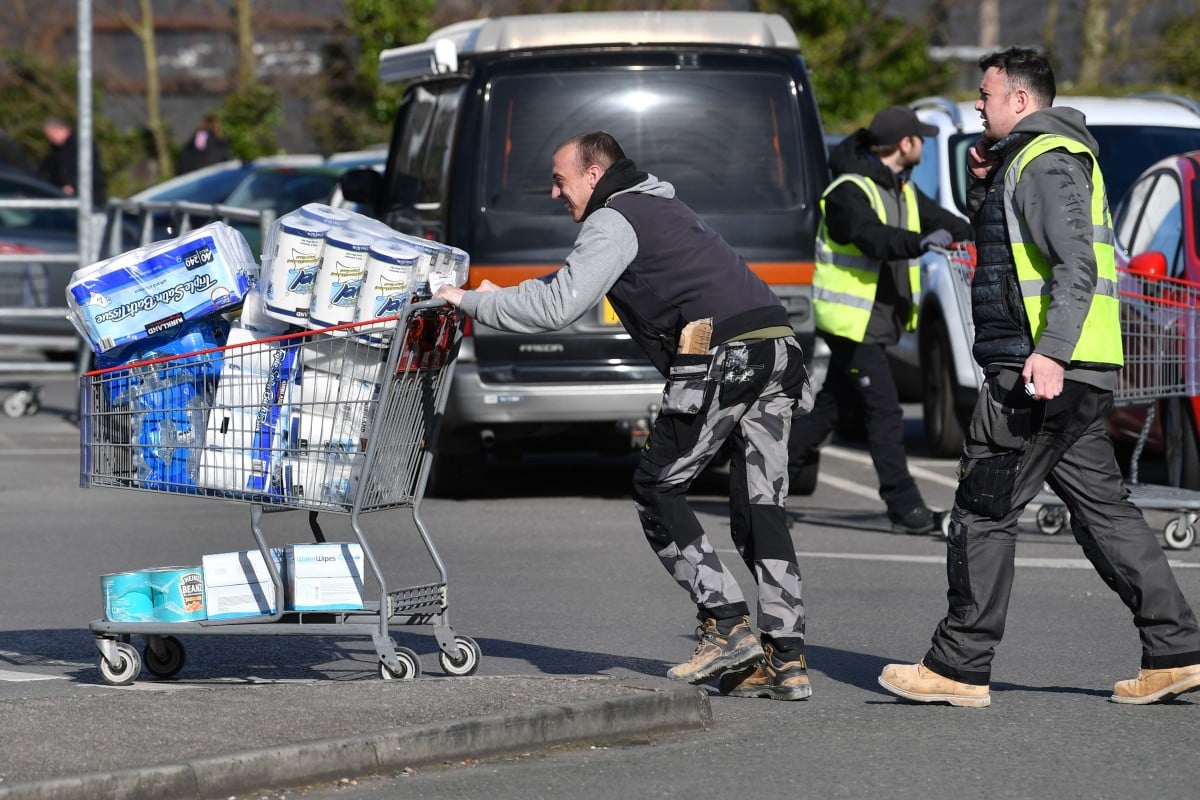
It is a scene that has become familiar around the world: from the US to France to Australia, rows of empty supermarket shelves where toilet paper used to be, the result of coronavirus-induced panic buying.
What exactly is it about the rolls of tissue that has caused mayhem across cultures, including at times violent clashes that have reverberated on social media?
At its most basic, say experts, the answer lies in game theory: if everyone buys only what they need, there will be no shortages. If some people start panic buying, the optimal strategy will be for you to follow suit, to make certain you have enough squares to spare.
But this does not explain it entirely – toilet paper cannot save you from infection, and we have not yet seen the same level of hoarding for more key items like canned foods – so something else is clearly afoot.
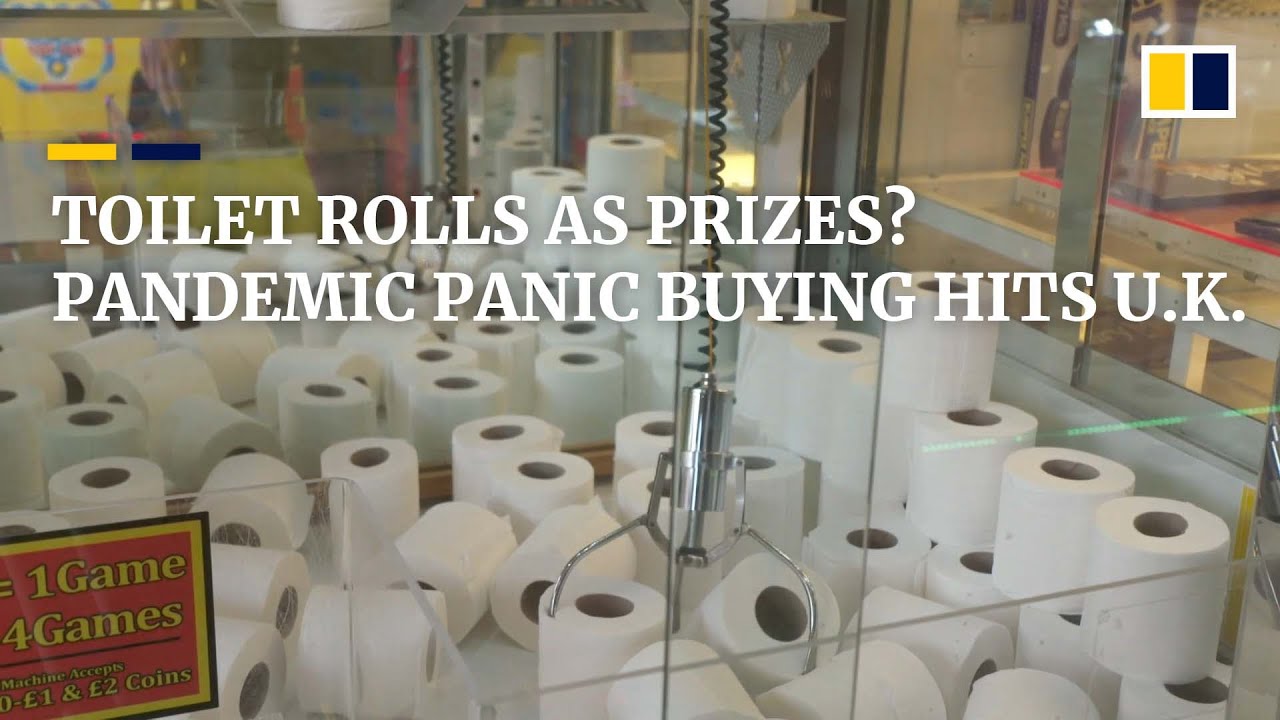
“I think it probably stuck out in the dramatic images in social media because it was quite clear, the packets are quite distinctive and it’s become associated in the minds of people as a symbol of safety,” said Steven Taylor, author of The Psychology of Pandemics.