Coronavirus: US researchers develop possible vaccine with novel injection technology
- The potential vaccine is delivered through a fingertip-sized patch of 400 tiny needles
- When administered to mice, the researchers found ‘significantly high’ antibody responses to the coronavirus that causes the Covid-19
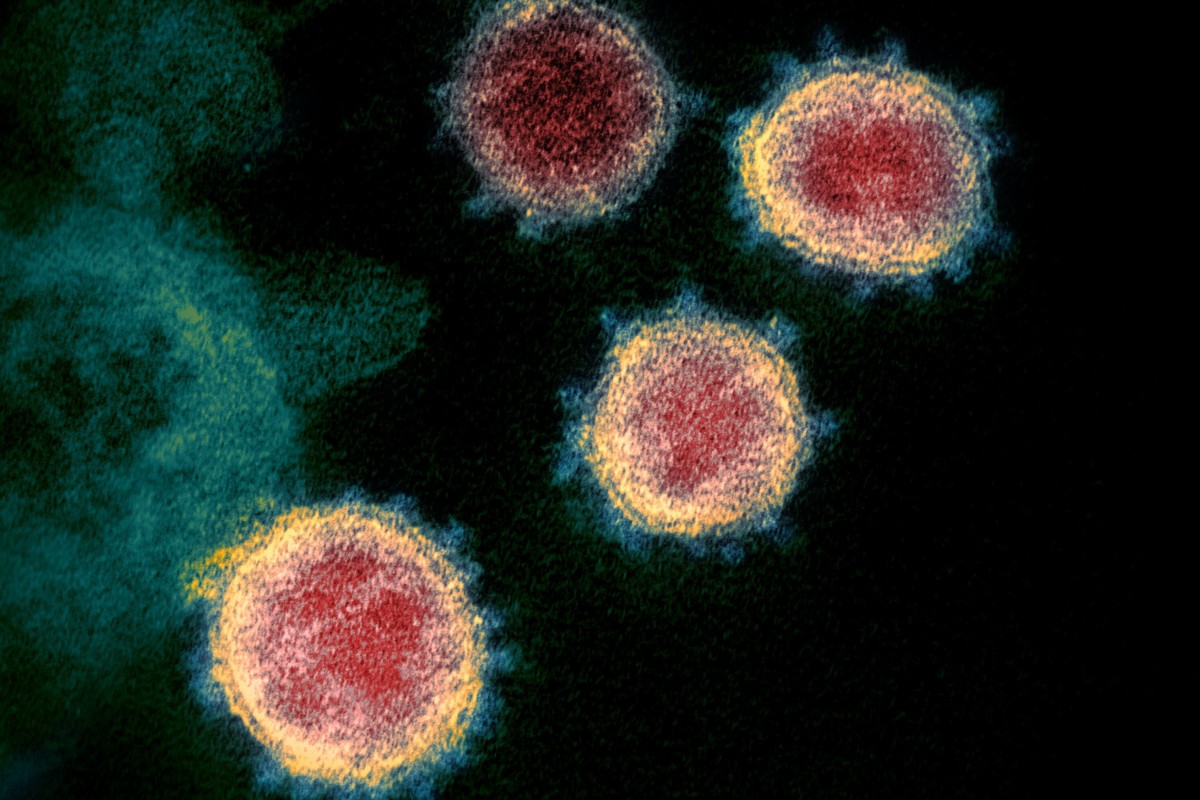
Researchers at University of Pittsburgh reported that they are working on a possible novel coronavirus vaccine through a new injection technology, building on work they had already been undertaking on a vaccine for Middle East respiratory syndrome (Mers), a deadly coronavirus outbreak that was first reported in 2012.
In a paper published in EBioMedicine – a peer reviewed journal published by The Lancet – the researchers described their work toward an experimental vaccine that produced antibodies specific to Covid-19 when tested in mice.
The potential vaccine is delivered through a fingertip-sized patch of 400 tiny needles, which the researchers call microneedle arrays. The needles are made of proteins and sugars, which dissolve under the skin.
Like many potential Covid-19 vaccines, the University of Pittsburgh team’s candidate targets the coronavirus’s spike protein, a crown-like protein on the virus’s surface that binds with receptors on a host cell and gains entry to deliver the viral genome into the cell.
When administered to mice, the researchers found “significantly high” antibody responses to Sars-CoV-2 within two weeks, compared with levels taken before the microneedle array treatment. Sars-CoV-2 is scientific name for the coronavirus that causes the Covid-19 respiratory ailment.
The new microneedle array technology results in high concentrations of the vaccine in the skin that could decrease the required vaccine doses for “efficacious immunisation and substantially reduce both cost and toxicity”, according to the Pittsburgh team’s paper.