Advertisement
In global war on coronavirus, civil rights become collateral damage
- Experts agree that extraordinary measures are needed to tackle the pandemic, but some fear the erosion of hard-won rights will not be reversed afterwards
- There is a tendency for among governments to keep extraordinary powers on their books long after the threat they were introduced to tackle has passed
4-MIN READ4-MIN

In Armenia, journalists must by law include information from the government in their stories about Covid-19. In the Philippines, the president has told security forces that if anyone violates the lockdown they should “shoot them dead”. In Hungary, the prime minister can rule by decree indefinitely.
Across Europe, the Middle East, Asia, Africa and the Americas, governments have introduced states of emergency to combat the spread of the new coronavirus, imposing some of the most stringent restrictions on civil liberties since the attacks of September 11, 2001, lawyers and human rights campaigners said.
While such experts agree extraordinary measures are needed to tackle the deadliest pandemic in a century, some are worried about an erosion of core rights, and the risk that sweeping measures will not be rolled back afterwards.
Advertisement
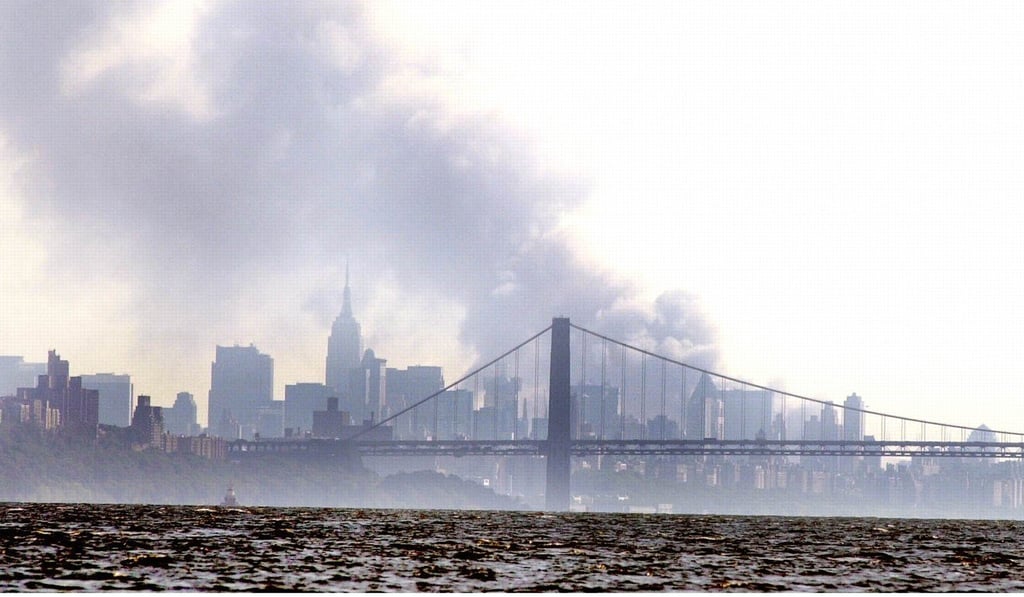
“In many ways, the virus risks replicating the reaction to September 11,” said Kenneth Roth, executive director of Human Rights Watch, referring to the welter of security and surveillance legislation imposed around the world after the al-Qaeda attacks on the United States that killed nearly 3,000 people.
Advertisement
“People were fearful and asked governments to protect them. Many governments took advantage of that to undermine rights in ways that far outlasted the terrorist threat,” he said.
Advertisement
Select Voice
Select Speed
1.00x