US Supreme Court appears divided over Donald Trump’s tax and bank records
- Rare, high-level battle over powers of all three branches of US government played out during more than three hours of arguments
- Justices reject president’s immunity claim, but could still shield him from Democrats’ demands for financial documents

The US Supreme Court justices sounded open on Tuesday to shielding President Donald Trump from broad demands by House Democrats to obtain many years of his tax returns and financial records, while stopping short of giving Trump the kind of absolute protection he is seeking.
During more than three hours of arguments, the justices, both conservative and liberal, appeared to reject the main rationales cited by both sides in this clash between the White House and Congress.
On one side, lawyers for Trump insisted he was entirely immune from legal demands that he reveal his personal records because of his special status as the nation’s chief executive.
The justices were quick to reject that claim, noting that President Richard Nixon was forced to turn over the Watergate tapes and that President Bill Clinton was forced to answer personal questions under oath based on a sexual harassment suit.
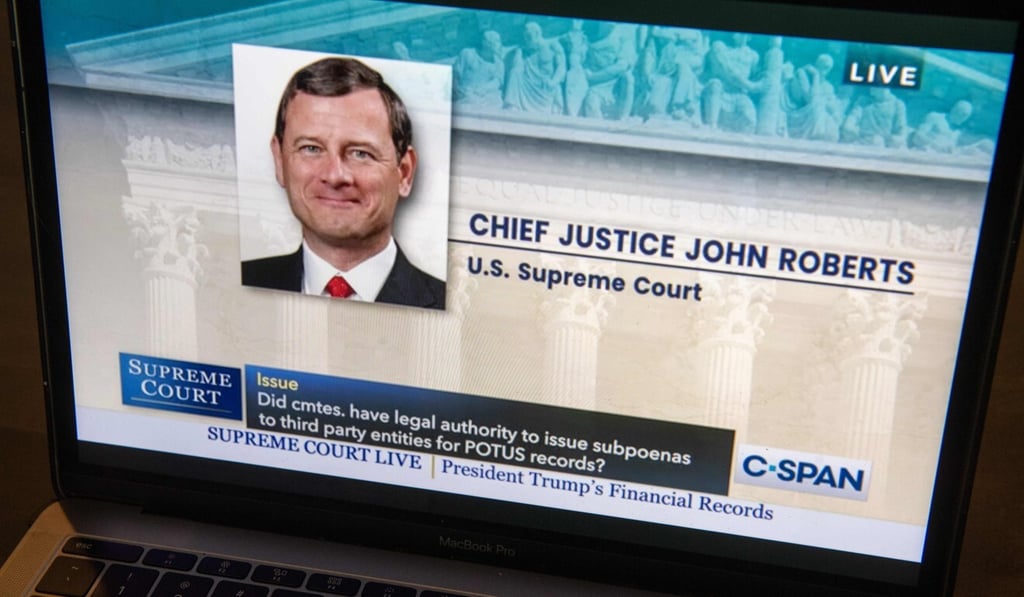
But they were equally sceptical of the claim that House committees were free to demand from the president huge volumes of personal information, without limits, because the information in theory might lead to new legislation. Trump’s lawyers said such subpoenas could be used to harass a political opponent.