What Kamala Harris believes: key issues, policy positions and votes for Biden’s VP pick
- Democratic vice-presidential candidate has built a formidable reputation on her interrogation of Trump officials and championing of racial justice
- But will her record on health care and police issues hurt her as Biden’s running mate?
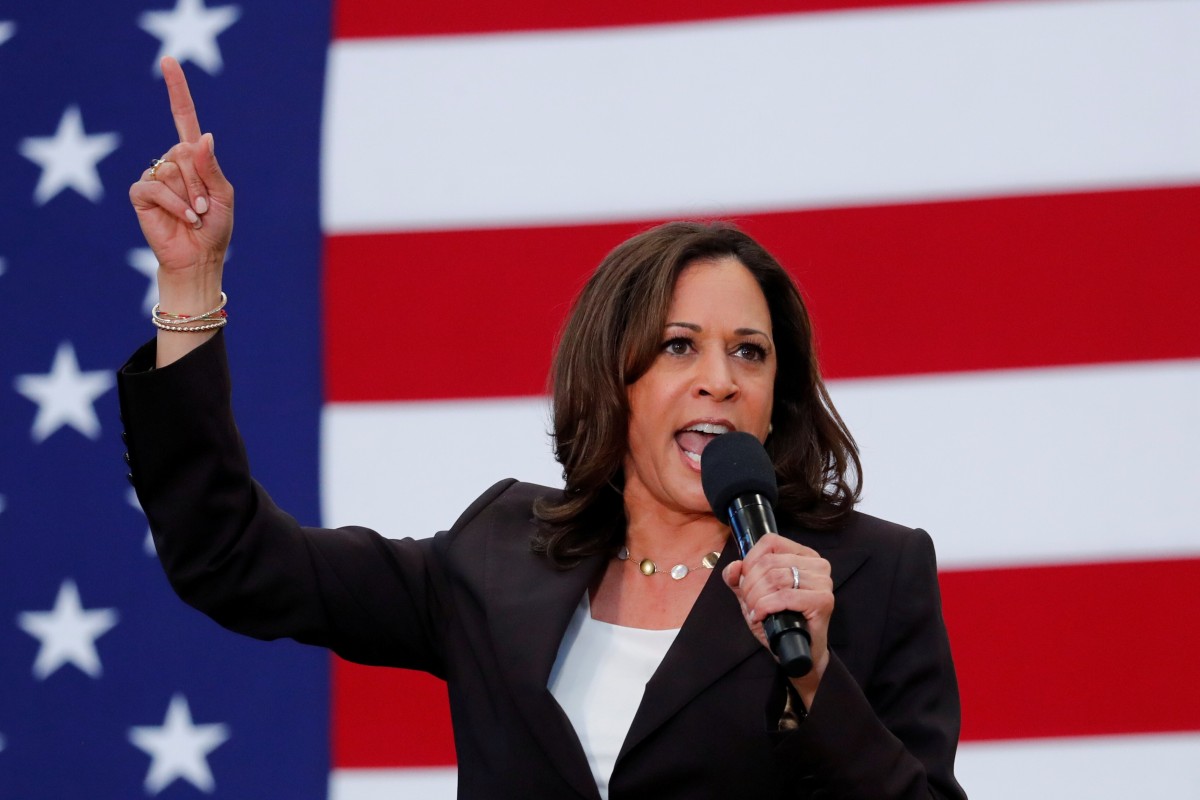
This story is published in a content partnership with POLITICO. It was originally reported by Adam Cancryn and Carla Marinucci on politico.com on August 11, 2020.
Kamala Harris has charted a meteoric rise within the Democratic Party as one of its most potent and effective messengers – even as she has struggled to refine her own positions on issues galvanising the party’s base.
The California senator joins Joe Biden’s presidential campaign as a barrier-breaking running mate who has built a national following through her fierce interrogations of Trump administration officials and championing of racial justice.
It is a resume that Harris’ allies contend is tailor-made for the moment, as the 2020 race plays out against the backdrop of a widespread reckoning on race and a spiralling pandemic that has devastated communities of colour.
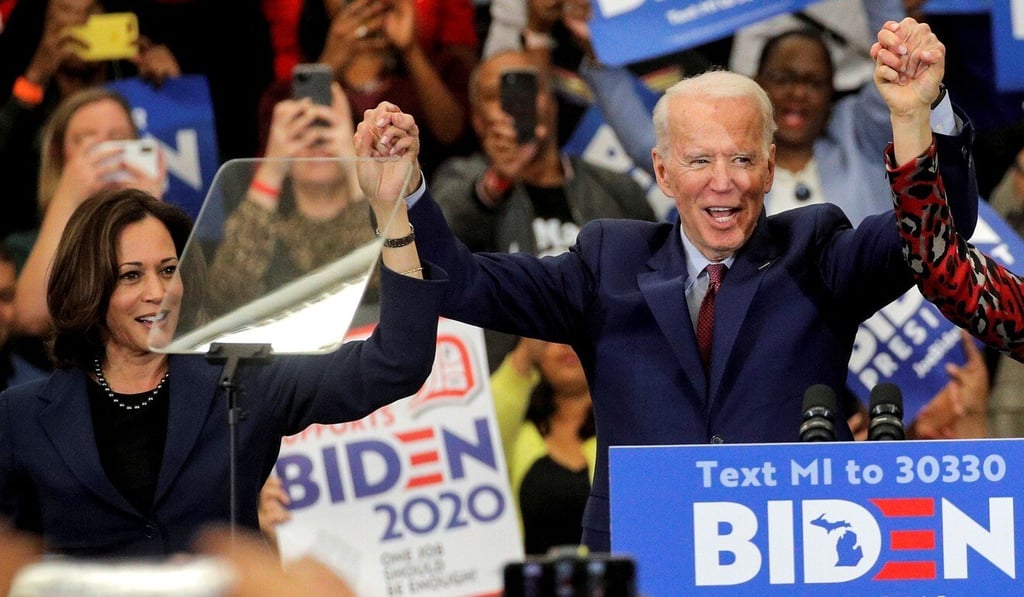
But Harris’ shifting positions on key policy matters undermined her short-lived run for the presidency. A former California attorney general and district attorney, Harris faced criticism over a prosecutorial record that does not always match with the progressive positions she espouses today.
On health care, her waffling on “Medicare for All” during the presidential primary revealed a candidate torn between appealing to progressives demanding structural change and moderates favouring incrementalism – and satisfying none in the process.