US senators urge Netflix to drop Chinese sci-fi series, citing writer Liu Cixin’s comments on Xinjiang
- Three-Body Problem author had defended Beijing’s treatment of Uygurs, saying government was trying to ‘lift them out of poverty’
- Hit trilogy is being adapted into television series by Game of Thrones creators D.B. Weiss and David Benioff

Five Republican US senators have urged Netflix to reconsider plans to adapt a Chinese science-fiction book trilogy into a television series because they said the author has defended the Chinese government’s treatment of Uygur Muslims.
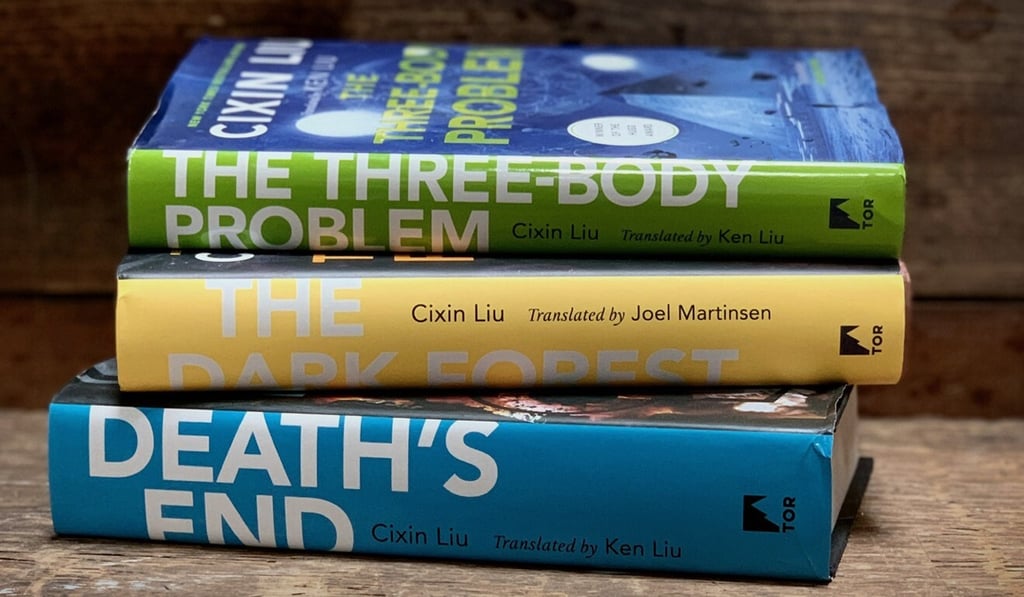
The Three-Body Problem and two sequels were written by Chinese author Liu Cixin. Netflix announced earlier this month that it was turning the books into a live-action, English-language television series led by D.B. Weiss and David Benioff, the creators of HBO megahit Game of Thrones. Liu serves as a consulting producer on the project.
In a letter to Netflix, the senators pointed to comments by Liu to The New Yorker magazine in 2019 about China’s clampdown on ethnic Uygurs and other Muslims in the Xinjiang region.
“If anything, the government is helping their economy and trying to lift them out of poverty,” Liu said. “If you were to loosen up the country a bit, the consequences would be terrifying.”
The United States and human rights groups have criticised China’s treatment of the Uygurs.
China’s foreign ministry has repeatedly denied the existence of internment camps in Xinjiang, calling the facilities vocational and educational institutions and accusing what it calls anti-China forces of smearing its Xinjiang policy.