Cybersecurity pioneer John McAfee arrested in Spain, wanted in US for tax evasion
- John McAfee charged with evading taxes after failing to report income made from promoting cryptocurrencies
- If convicted of all charges, McAfee could face 30 years in prison
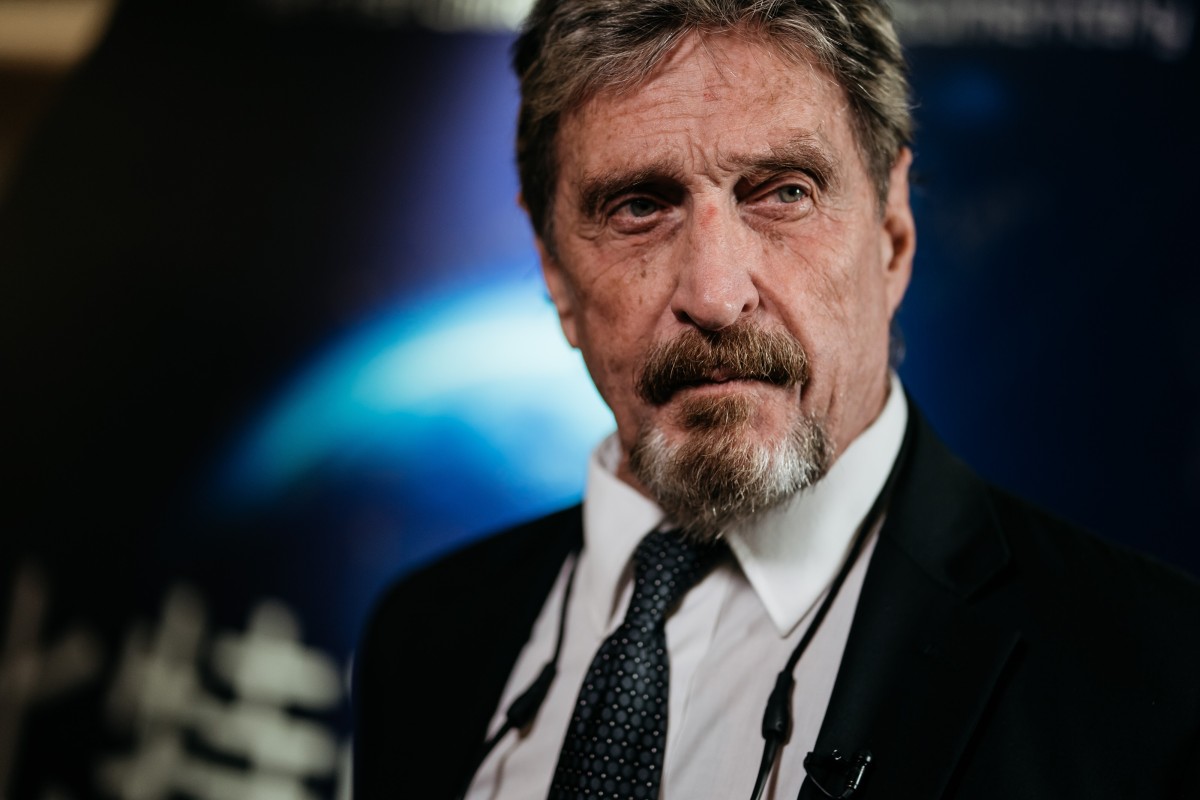
Elusive cybersecurity pioneer John McAfee has been arrested in Spain and was to be extradited to the United States, over allegations of tax evasion and false advertising for cryptocurrencies.
McAfee is accused of failing to file US tax returns from 2014 to 2018 and hiding assets including real estate, a vehicle and a yacht in the name of others, prosecutors said. An indictment returned in June was unsealed on Tuesday after he was taken into custody. He’s being held pending extradition, the Justice Department said.
Prosecutors claim McAfee earned millions of dollars through the promotion of cryptocurrencies, speaking engagements, consulting jobs and the sale of the rights to his life story for a documentary, but never filed tax returns. Instead, his income was paid into accounts held in the names of others, prosecutors claim. He faces as long as five years in prison if convicted of tax evasion and a year if found guilty of failing to file taxes.
It’s the latest legal complication for the eccentric software mogul, who was a person of interest in a murder in Belize, though not charged with a crime, and last year he was detained in the Dominican Republic for entering the country with a cache of firearms and ammunition. He was also briefly a candidate for president in this year’s US election, ending his run from abroad in March.

The criminal charges were announced just hours after the US Securities and Exchange Commission sued McAfee for promoting the sale of cryptocurrencies without disclosing that he was being paid to do so.
The commission claims McAfee recommended at least seven initial coin offerings to his Twitter followers from at least November 2017 to February 2018 without revealing that he earned more than US$23 million to boost them. He’s also accused of denying that he was being paid when asked by investors.