Advertisement
Art world’s culture of secrecy targeted as US, EU crack down on money laundering
- Wealthy art collectors have long been able to maintain their anonymity via bidding agents at auctions
- But new rules in Europe and the US will mean art and antiquities dealers must record the actual beneficiaries of their sales for the first time
3-MIN READ3-MIN

When a Botticelli painting went under the hammer in January at Sotheby’s in New York for US$92 million, it was assumed the buyer was a Russian oligarch since the bidding was done by an adviser to wealthy Russians.
But as art journalist Scott Reyburn told The Week in Art podcast, it’s not always that simple. “Sometimes very wealthy collectors use telephone bidders that imply a certain nationality just to guarantee their own anonymity … to throw us off the scent,” he said.
The ultra-wealthy prize that sort of confidentiality, and it also helps build the mystique and theatre in which auction houses like to drape themselves.
Advertisement
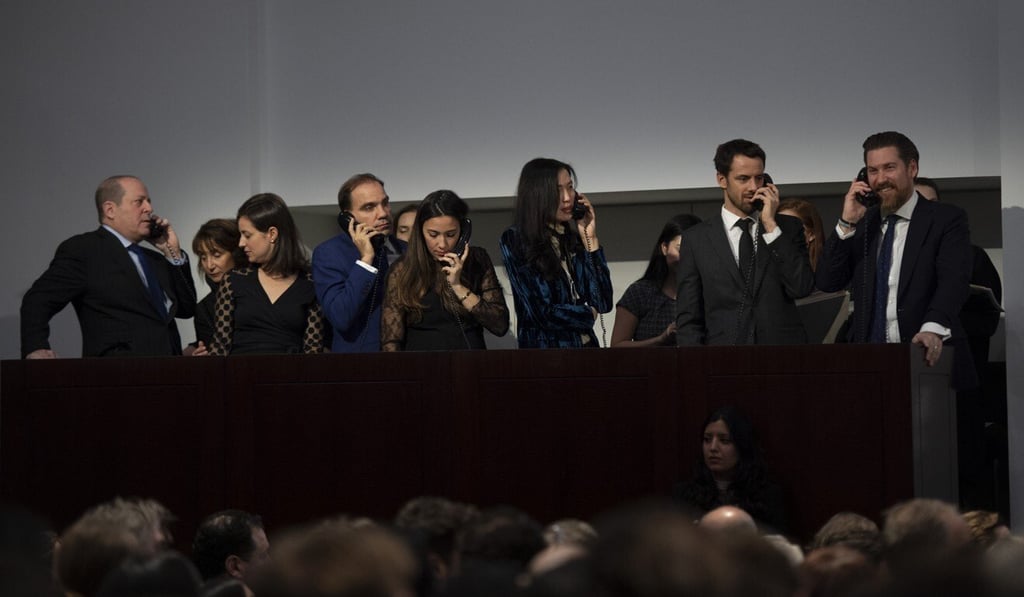
Lately, however, regulators in Europe and the United States are out to spoil the fun, arguing that this culture of secrecy is ripe for exploitation by criminals.
Advertisement
New anti-money-laundering rules mean art and antiquities dealers in Britain and the EU must now record the actual beneficiaries of their sales for the first time. The US Congress approved similar legislation last month that should be in place by 2022.
Advertisement
Select Voice
Select Speed
1.00x