Geologist may have discovered oldest animal fossils ever: 890 million years old
- Fossils found in a remote area of northwestern Canada accessible only by helicopter
- Until now, the oldest undisputed fossil sponges date to around 558 million years ago

A geologist in Canada may have discovered fossils of ancient sponges dating back 890 million years, making the potential discovery between 330 and 350 million years older than the oldest undisputed sponge fossils.
The fossilised structures found in rock samples potentially show sponges that existed in underwater reefs millions of years ago. The findings may represent the oldest animal fossils ever discovered, Laurentian University professor Elizabeth Turner described in an article published Wednesday in the journal Nature.
Scientists have previously estimated that sponges existed before more complicated creatures over 540 million years ago. However, there’s a lack of fossilised sponges discovered by scientists that would prove the timeline for the early creatures.
The fossils discovered by Turner resemble skeletons found in some modern sponges known as keratose demosponges. The skeletons are made up of segments that look like connected branches of a tree.
Scientists believe life on Earth emerged around 3.7 billion years ago. The earliest animals appeared much later, but exactly when is still debated.
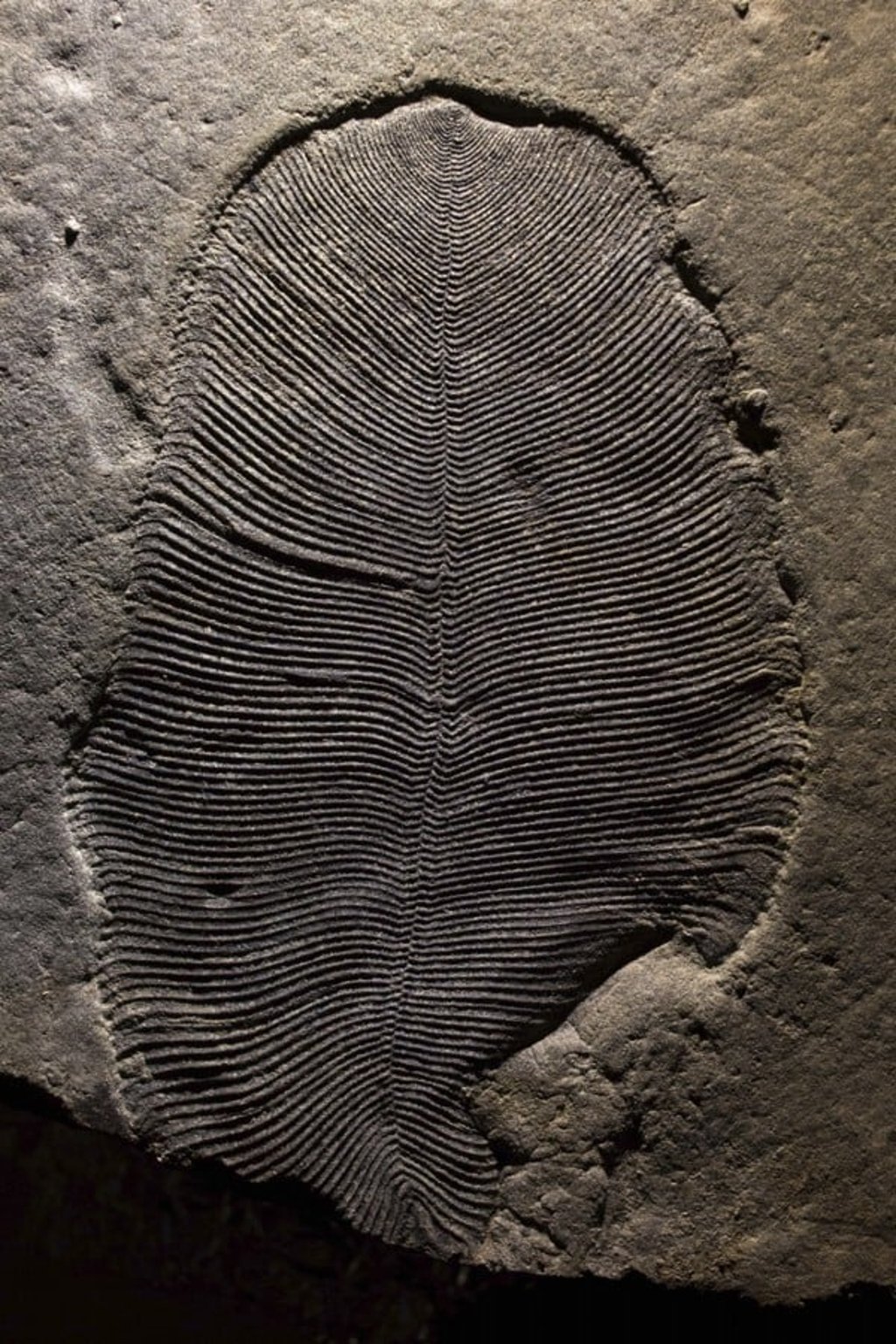
The geologist said that her discovery was intriguing for scientists and non-scientists alike, who all may learn about the history of how animals – and humans – came to be today.