US declares 23 species extinct, including fabled ‘Lord God Bird’
- Government scientists have given up on ever finding these animals again, including the ivory-billed woodpecker, Bachman’s warbler and eight kinds of mussel
- The list also includes 11 species from Hawaii and Guam, as well as the San Marcos gambusia, a freshwater fish from Texas

The United States on Wednesday declared 23 species extinct, including one of the world’s largest woodpeckers, dubbed the “Lord God Bird”.
The announcement came via the Fish and Wildlife Service (FWS), which proposed to remove the birds, mussels, fish, as well as a plant and fruit bat from Endangered Species Act protections because government scientists have given up on ever finding them again.
Perhaps the most iconic of the species was the Ivory-billed woodpecker, with the last indisputable evidence of its existence coming in the 1940s. Noted for its striking black-and-white plumage, pointed crest and lemon-yellow eye, it has been something of Holy Grail for birders in recent decades, with numerous unconfirmed sightings over the years in the southeastern US.
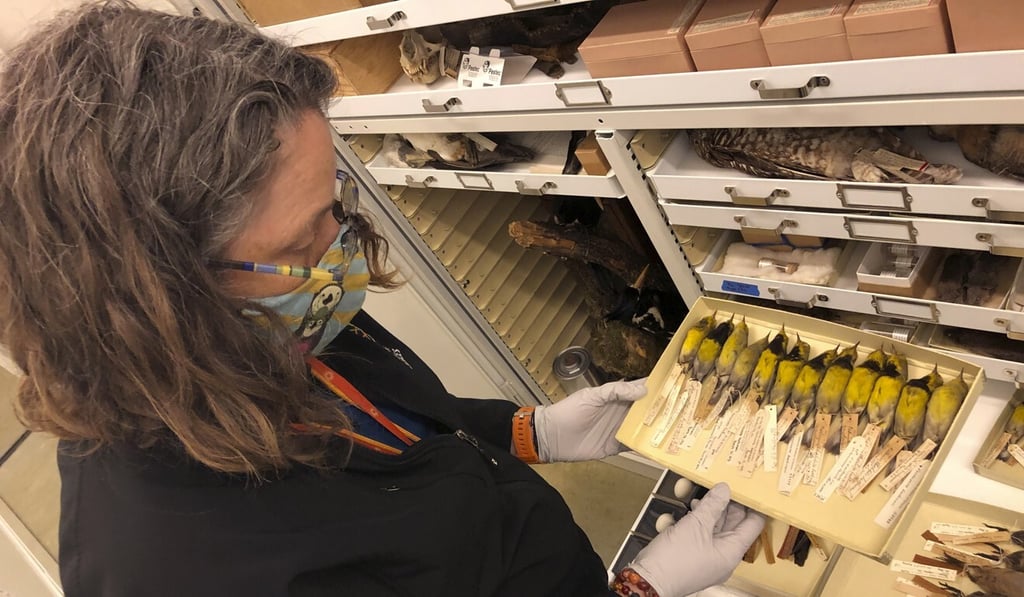
“The fundamental thing that drove the woodpecker down to near extinction was the loss of the southeastern first growth forests, which really started taking place after the Civil War,” said John Fitzpatrick, director emeritus of the Cornell Lab of Ornithology.