Scientists grow seeds in moon soil, in one giant leap for Earth plants
- The successful experiment suggests earthly vegetation could eventually be used to support human outposts on other worlds
- The seeds of a tiny flowering weed called Arabidopsis thaliana were sprouted in samples of lunar soil retrieved during Nasa missions in 1969 and 1972

Scientists have for the first time grown seeds in soil from the moon – samples retrieved during Nasa missions in 1969 and 1972 – in an achievement that heralds the promise of using earthly plants to support human outposts on other worlds.
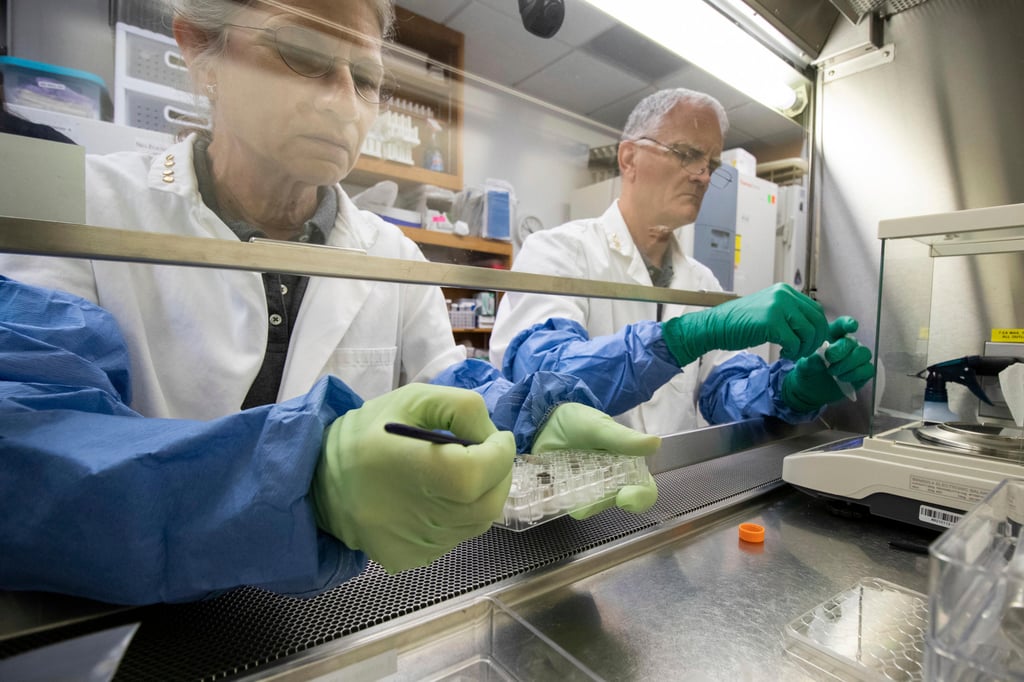
Researchers said on Thursday they planted seeds of a diminutive flowering weed called Arabidopsis thaliana in 12 small thimble-sized containers each bearing a gram of moon soil, more properly called lunar regolith, and watched as they sprouted and grew.
Lunar regolith, with its sharp particles and lack of organic material, differs greatly from Earth soil, so it was unknown whether seeds would germinate.
“When we first saw that abundance of green sprouts cast over all of the samples, it took our breath away,” said horticultural sciences professor Anna-Lisa Paul, director of the University of Florida Interdisciplinary Centre for Biotechnology Research and co-leader of the study published in the journal Communications Biology.
“Plants can grow in lunar regolith. That one simple statement is huge and opens the door to future exploration using resources in place on the moon and likely Mars,” Paul said.