How the US Supreme Court that Donald Trump filled is changing American life
- Analysts say the conservative-majority court is more hard-line than anyone anticipated, tossing out rights previous courts had said the Constitution guaranteed
- Long-accepted rules of justice have been turned on their head by decisions on abortion rights, gun control, voting rights, emissions and religion in schools

With a 6-3 majority on the bench, the conservatives led by Chief Justice John Roberts represent a mighty swing of the judicial pendulum from decades of a modestly progressive course.
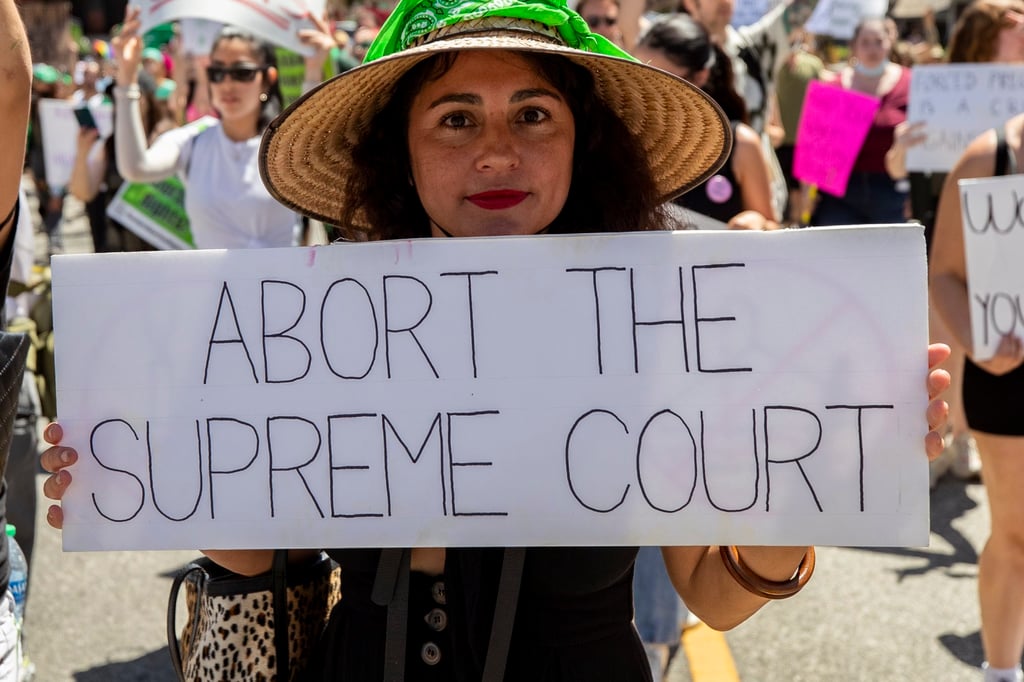
Politically, the Roberts court is effectively payback by the Republican right, which has since the 1970s endeavoured to claim control of the high court to reverse key decisions they view as excessive.
But analysts say the just-closed annual court season has revealed a set of judges more hard-line than anyone anticipated.
They have brashly tossed out the decisions of their respected predecessors, including, as with abortion, rights that previous courts said were guaranteed by the Constitution.
“It’s not unusual to see the pendulum swinging, and to have what might be considered course-corrections,” said American University constitutional law professor Stephen Wermiel.