Nasa’s James Webb Space Telescope shows where stars are born and how they die
- A batch of 4 new images include shots of a glittering ‘landscape’ in the Carina Nebula, and the orange and blue cloud surrounding a dying star
- Also featured is Stephan’s Quintet – 5 galaxies in a cosmic dance, 290 million light-years away

Nasa on Tuesday unveiled a new batch of images from its new powerful space telescope, including a foamy blue and orange shot of a dying star.
The first image from the US$10 billion James Webb Space Telescope was released Monday at the White House – a jumble of distant galaxies that went deeper into the cosmos than humanity has ever seen.
The four additional photos released on Tuesday included more cosmic beauty shots.
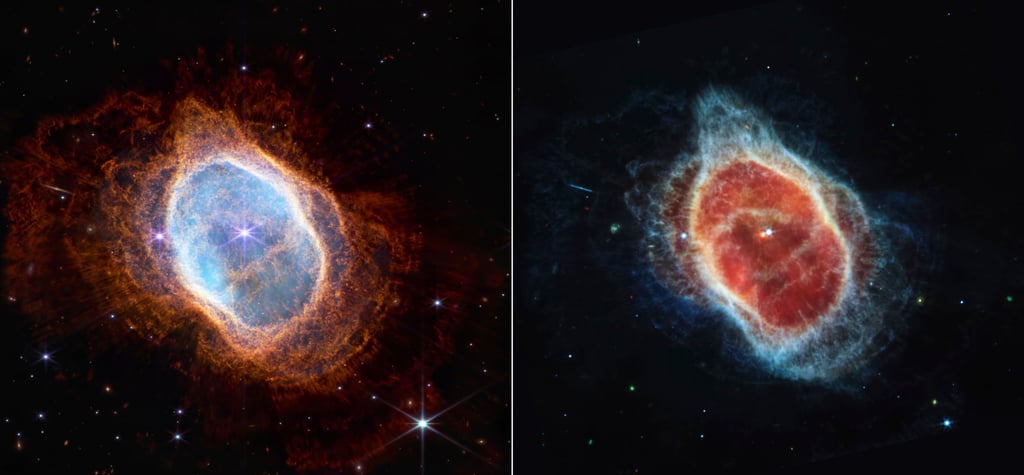
With one exception, the latest images showed parts of the universe seen by other telescopes.
But Webb’s sheer power, distant location off Earth and use of the infrared light spectrum showed them in new light.
“Every image is a new discovery and each will give humanity a view of the humanity that we’ve never seen before,’’ Nasa Administrator Bill Nelson said on Tuesday, rhapsodising over images showing “the formation of stars, devouring black holes”.
Webb’s use of the infrared light spectrum allows the telescope to see through the cosmic dust and “see light from faraway light from the corners of the universe”, he said.