The first mass extinction event was from a lack of oxygen, researchers say
- First mass extinction occurred 550 million years ago, because of a drop in the amount of oxygen in waterways
- The Earth has had five mass extinction events, and scientists hope research can help avoid a sixth
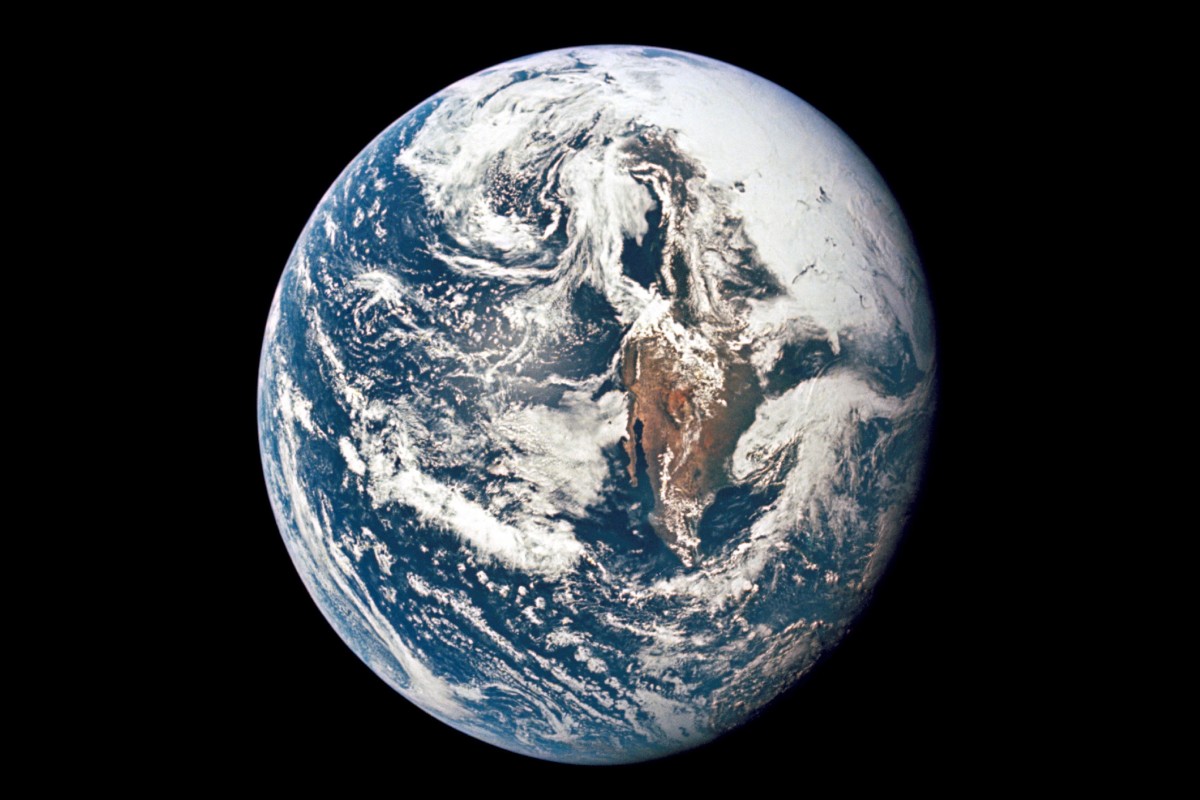
Scientists have speculated for years that the world is coming up on its sixth mass extinction, when a majority of the Earth’s creatures become extinct. But a couple of Virginia Tech researchers are studying what happened in the first extinction in hopes of avoiding another.
A new study led by Scott Evans, a postdoctoral researcher, and co-author Shuhai Xiao, a paleobiologist, showed that 80 per cent of animals and organisms that died off 550 million years ago did so because of a drop in the amount of oxygen in waterways.
Some animals need more oxygen to survive, and the animals hit hardest were those that required more and were less mobile – they couldn’t get to areas with greater oxygen supplies. Larger animals that could take deeper breaths were more likely to live.
“This suggests that the extinction event was environmentally controlled, as are all other mass extinctions in the geologic record,” Evans said in a news release.
A mass extinction occurs when at least 75 per cent of species are destroyed. The Earth has had five.
The last one, about 65 million years ago, wiped out most dinosaurs. Scientists still debate the causes of the extinctions but the reasons range from asteroids colliding with the Earth to volcanic activity.