In the US, Hmong ‘new year’ recalls ancestral spirits while teaching traditions to new generations
- During new year, celebrated in November-December, shamans send off their spirit guides to regenerate their energy for another season of healing
- Hmong American community leaders work to divulge knowledge of these animist traditions so they won’t be lost for their children’s generation

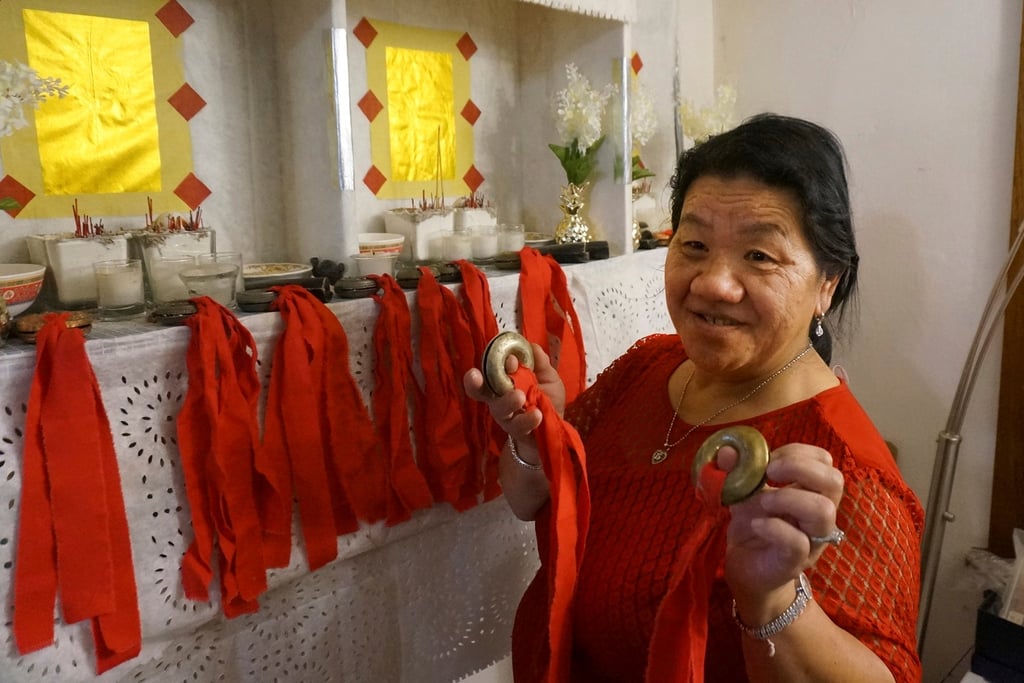
For the annual fall renewal of her shaman spirit, Mee Vang Yang will soon ritually redecorate the tall altar in her living room where she keeps her father’s ring-shaped shaman bells.
She carried them across the Mekong River as the family fled the Communist takeover of her native Laos four decades ago.
Today, they facilitate the connection to the spiritual world she needs to help fellow refugees and their American-raised children who seek restoration of lost spirits.
“Like going to church, you’re giving beyond yourself to a greater power,” said the mother of six through a translator in Hmong.
It’s the language spoken for the most important spiritual celebration in the Hmong calendar, the “Noj Peb Caug” – translated as “new year”, but literally meaning “eat 30”, since the ceremonies traditionally were tied to the fall’s post-harvest abundance shared with the clan and offered to spirits.
During new year, which is celebrated mostly in November and December among Hmong Americans, shamans send off their spirit guides to regenerate their energy for another season of healing. Male heads of households who embrace traditional animist practices perform soul-calling ceremonies, venerate ancestor spirits and invoke the protection of good spirits.