Former US Supreme Court Justice Sandra Day O’Connor dead at 93
- Her 1981 appointment made her the Supreme Court’s first woman justice nearly two centuries after the court was established in 1789
- She helped to preserve a woman’s right to abortion and upholding affirmative action on college campuses.

Retired Justice Sandra Day O’Connor, the first woman on the US Supreme Court, whose centrist views and shrewd negotiating skills allowed her to steer the nation’s law for much of her quarter-century tenure, died on Friday at the age of 93, the court said.
The court said in a statement that O’Connor died in Phoenix of complications related to advanced dementia and a respiratory illness, the court said in a statement.
O’Connor, who retired from the nation’s highest court in 2006, had in her latter years been diagnosed with dementia and announced in October 2018 that she was withdrawing from public life.
When Republican former president George W Bush replaced the pragmatic westerner with the more ideologically rigid conservative Justice Samuel Alito, the already-conservative court moved further to the right.
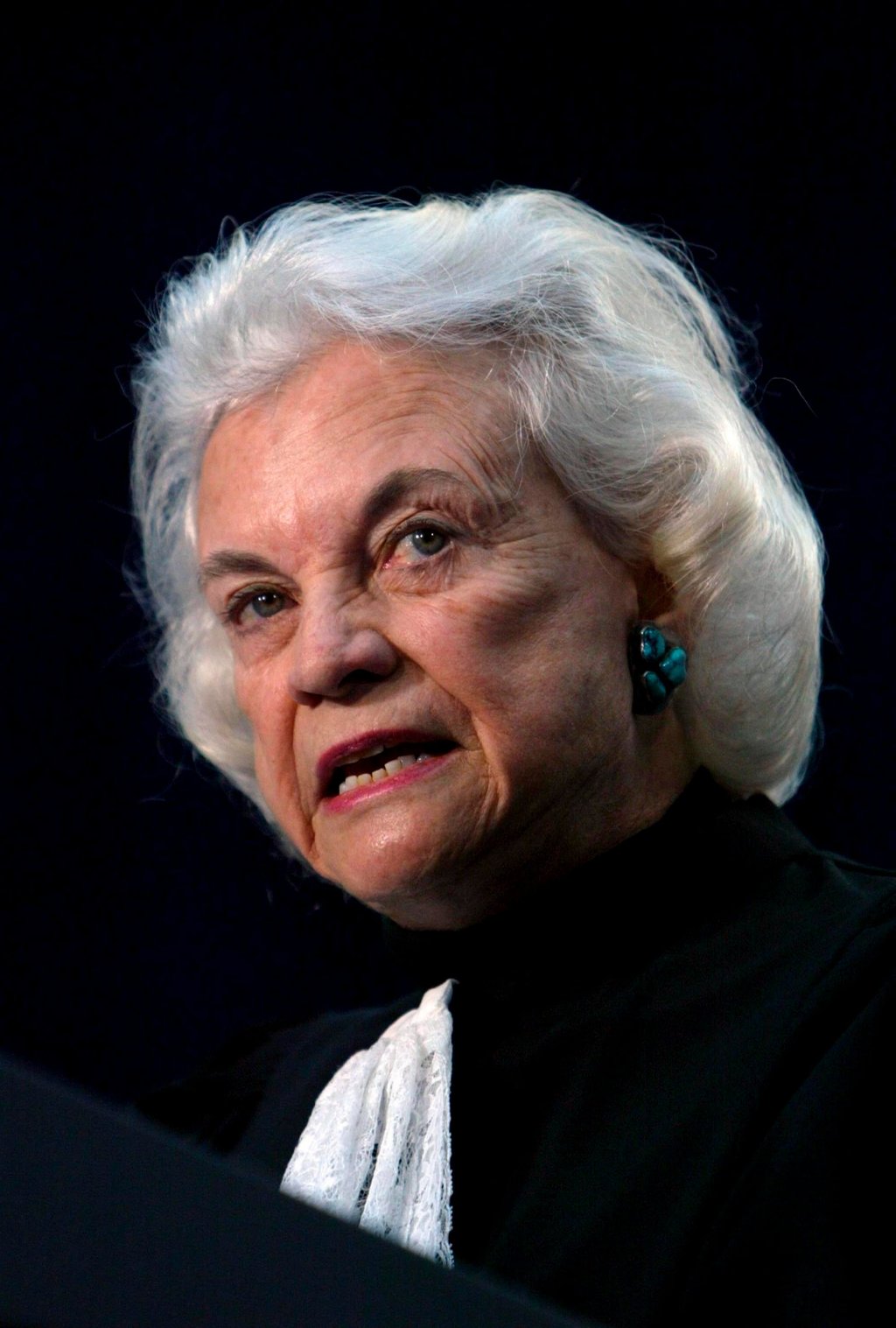
O’Connor, who grew up in an Arizona ranch family, navigated the male-dominated world of politics in her home state and then of law in the nation’s capital. Her 1981 appointment by Republican president Ronald Reagan made her the Supreme Court’s first woman justice nearly two centuries after the Supreme Court was established in 1789 but her place in history went beyond breaking men-only barriers.