
EditorialAll losers after Biden plays China card in attempt to win votes
- Latest US protectionist moves targeting Chinese steel and aluminium imports, together with other measures, risk another damaging round of trade war

Put it down to election-year politics in the United States, but the latest protectionist moves by President Joe Biden and his administration against Chinese products are not without global risk. That is whether they trigger another round of the US-China trade war, which is not what the world needs on top of real wars in Ukraine and the Middle East.
Biden has called for a tripling of tariffs on Chinese-made steel and aluminium imports from 7.5 per cent to around 22.5 per cent. And the US Trade Representative’s office has announced a Section 301 investigation into China’s maritime, logistics, and shipbuilding sectors.
These probes usually result in protectionist action.
Biden is playing the China card for industrial workers’ votes as he faces a tough battle for re-election in November. He is trying to avoid looking weak on trade against his opponent Donald Trump, the former Republican president who has campaigned on protectionism and promised a 60 per cent tax on imported Chinese goods.
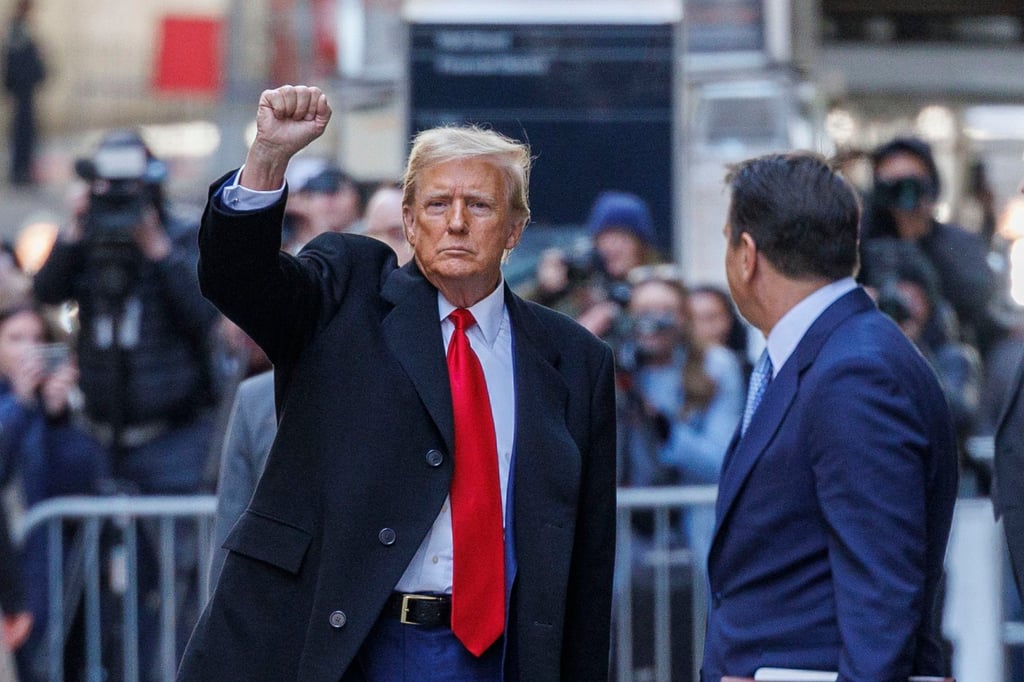
Perversely, both men’s policies would raise prices for US consumers.
Chinese steel exports rose sharply last year to 90 million tonnes, testament to the dismal state of the country’s property market, usually a major driver of domestic demand for steel. China has been trying to reduce steel production gradually, but the industry remains a key engine of growth, exports and job creation.