
Cambodia aspires to shed its dependencies while staying connected
As it seeks connectivity, Phnom Penh must build diplomatic bridges with as much effort as it constructs ports and canals

Connectivity can be an ambiguous term. Different states use it in different ways at different times. In Southeast Asia, as in other regions where regional diplomacy exists in the backdrop of ever-stronger great power disputes, connectivity lies in the conflux of economics, trade necessities and the unyielding pressure of geopolitics.
In few countries is this more evident than in Cambodia, where investment in transport logistics has been a political and diplomatic fixture for at least two decades.
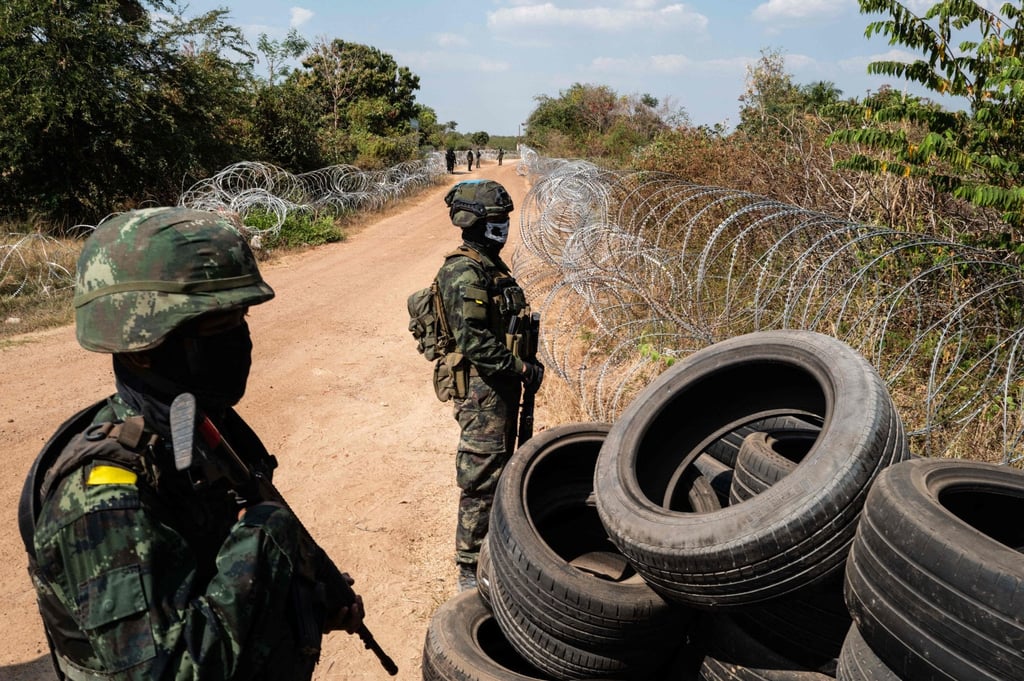
From the beginning of the hostilities, analysts questioned the nature of Cambodia’s economic resilience. Reliance on Thai companies and exports in certain strategic sectors such as oil and energy, the heavy use of Thai roads and ports, and the prospect of a long war cast doubts on Cambodia’s short-term economic prospects. For Cambodia’s connectivity plans, the border conflict appeared at first to be a swansong. It was, instead, a perfect storm.
Phnom Penh had plans to turn the country into a major connectivity hub in the so-called Greater Mekong Subregion long before last year’s conflict. As in much of Southeast Asia, Cambodian investments in transport logistics have been at once a means of increased integration into global trade routes, as well as raising the country’s political and diplomatic profile. As the economy grew, so did demand for infrastructure, both inward- and outward-looking.