Advertisement
China economy
OpinionChina Opinion
Opinion
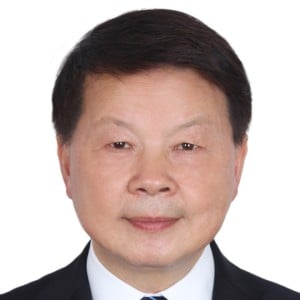
Zhou Xiaoming

China ‘overcapacity’ is a smokescreen for Western protectionism

Protectionism will only slow the green energy transition and make the technologies of the future unaffordable for those most in need

3-MIN READ3-MIN
11
Listen
Wind power generation equipment is ready to be shipped for export at Lianyungang port in China on December 9, 2024. Photo: Getty Images
Zhou Xiaoming is a senior fellow at the Centre for China and Globalisation in Beijing and a former deputy representative of China’s Permanent Mission to the United Nations Office in Geneva.
“Overcapacity” has become the buzzword in Washington and Brussels. American and European policymakers insist China churns out far more steel, electric vehicles and green technology than it can absorb, flooding the world with subsidised goods.

Yet the economic data tells a different story: of double standards, protectionist impulses and a habit of moving the goalposts.

Start with steel. Western officials point to China’s massive output as proof of distortion. But China official data puts the capacity utilisation of its ferrous metals sector at 78.1 per cent for 2024 and 79.7 per cent last year, squarely within the range most in the European Union consider as healthy.

Advertisement
Compare that with the EU’s. Crude steel output last year fell to roughly 126 million tonnes, implying a capacity utilisation percentage in the mid-60s. Yet China gets slapped with the overcapacity label and the EU is preparing new safeguards effective on July 1 to slash duty-free quotas by 47 per cent and double tariffs to 50 per cent.

US political circles adopt an arbitrary alternative metric, branding any output exceeding domestic consumption as overcapacity. Try applying this standard to leading Western manufacturers. Germany produced 4.15 million cars last year and exported 3.17 million of them, over 76 per cent, while 42.2 per cent of cosmetics imported into China originate in the EU.

Advertisement
When the West produces at scale for the world, it is comparative advantage or innovation. When China does it, the vocabulary flips to dumping and excess capacity. If Washington and Brussels genuinely believe Chinese subsidies violate trade rules, the proper forum is the World Trade Organization. Instead, they bypass the multilateral process, hiding behind claims of economic security and “de-risking” to invent ad hoc standards that apply to one country alone.
Advertisement
Select Voice
Select Speed
1.00x