What the I Ching is really about
While it may depart from scientific axioms, readers can glean much about their circumstances by consulting the Book of Changes

But over the years, I have become convinced that the great Jung didn’t really get it. A red flag is that he thinks it is very difficult for the Western mind to grasp what I will call the Chinese spirit of the I Ching, which he claims is completely foreign.
“I can assure my reader that it is not altogether easy to find the right access to this monument of Chinese thought, which departs so completely from our ways of thinking,” he wrote in the foreword to an English translation of the Wilhelm text.
Actually, I think it is quite accessible and easy for anyone to consult the I Ching and believe in it. It’s precisely its enigmatic allure that appeals to foreign minds like Jung.
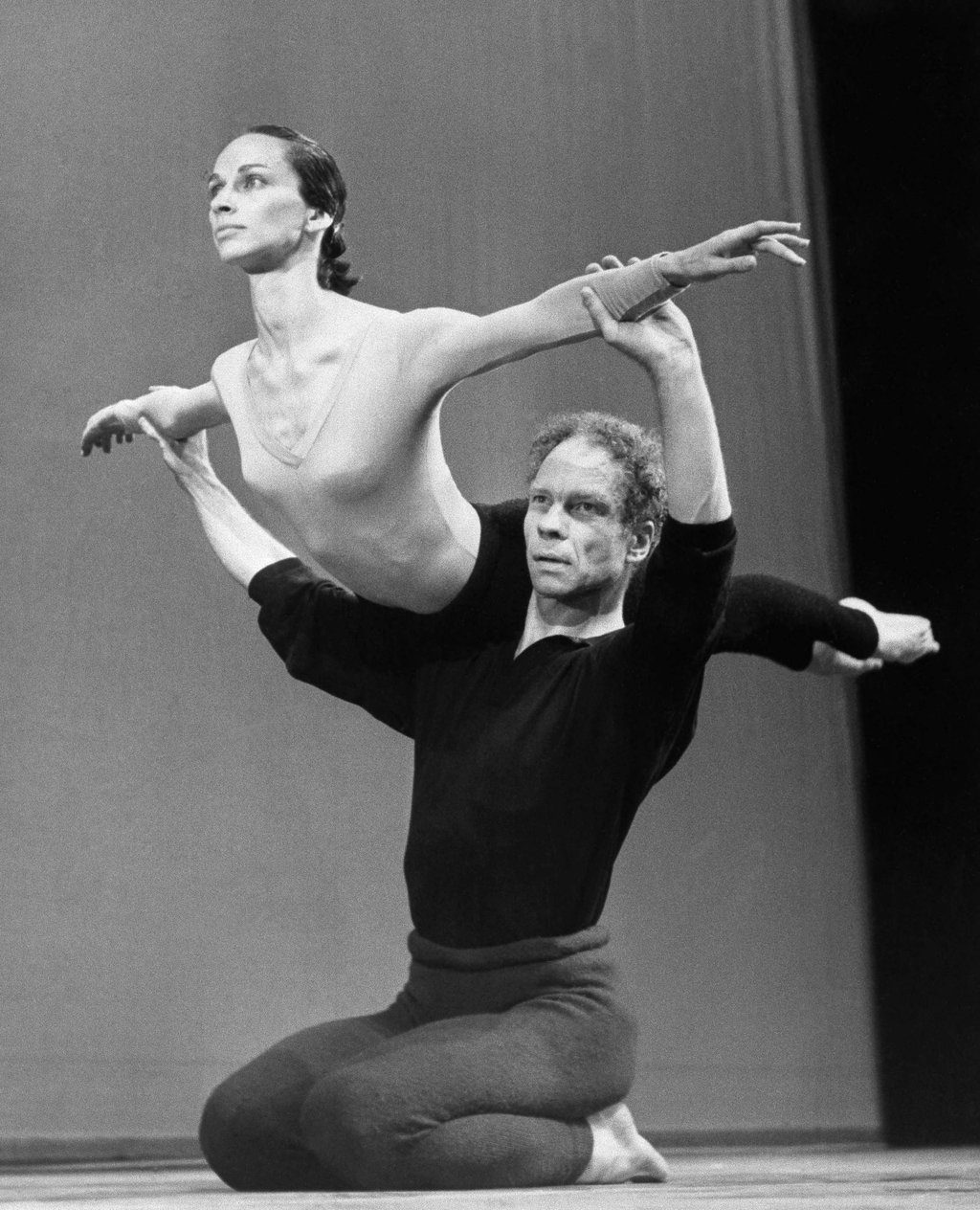
People as different as poet Allen Ginsberg, musician Joni Mitchell, composer John Cage and choreographer Merce Cunningham have all “lauded the Yi Jing for both its wisdom and its poetic suggestiveness”. That’s according to Brian Bruya, who recently translated the classic – and highly amusing – Illustrated Book of Changes by C.C. Tsai, the cartoonist and Shaolin monk who also illustrated volumes about Chinese philosophers such as Confucius, Sun Tzu and Chuang Tzu.
Yi Jing is the contemporary standard transcription of I Ching. I will stick with the latter, which most readers are probably more familiar with. Bruya’s translation is now published in a handsome edition by Princeton University Press.