Advertisement

Opinion | Will Trump’s high-stakes tariff gamble pay off?
Amid domestic legal challenges and a lack of deals with trade partners, time is running out for Trump to score ‘Liberation Day’ victories
3-MIN READ3-MIN
6

Khushboo Razdanin Washington
Over the past two weeks, the New York-based Court of International Trade has held its first oral arguments in lawsuits challenging US President Donald Trump’s “Liberation Day” tariffs and the administration’s authority to impose the kind of levies previously placed on China, Canada and Mexico over the US’ deadly fentanyl crisis.
A group of small American businesses and 12 states have argued in separate but similar cases that Trump’s use of emergency executive powers to impose tariffs exceeds his authority. The Trump administration countered that a legal defeat would “completely kneecap” the president amid ongoing trade negotiations with major partners, including China.
Brett Shumate, representing the administration, told a three-judge panel last week that the tariffs were designed to “create pressure” and “bring trading partners to the table”. He warned that any injunction suspending the tariffs would be “extremely disruptive”, describing Trump as “in the middle of foreign negotiations with other countries about trade deficits and about the fentanyl crisis”.
Advertisement
In April, Trump claimed he could secure more than 50 trade deals within 90 days. But nearly two months later, progress remains limited. The US has announced only one agreement, with Britain, while negotiations with other partners have stalled or remain unclear. To maintain negotiating leverage, Washington must act swiftly to secure additional deals. Delays could strengthen China’s position, escalate trade tensions and prolong the economic burden of tariffs on American businesses and consumers.
Trump’s tariff policies have created confusion among trading partners and disrupted global supply chains. In April, tariffs on Chinese imports briefly surged to 145 per cent before being partially rolled back to 30 per cent following talks in Geneva, Switzerland, earlier this month.
Advertisement
A 10 per cent baseline tariff on most other countries remains in place, with a 90-day reprieve set to expire on July 8. The deal with Britain, announced earlier this month, was touted by Trump as a model for trade agreements.
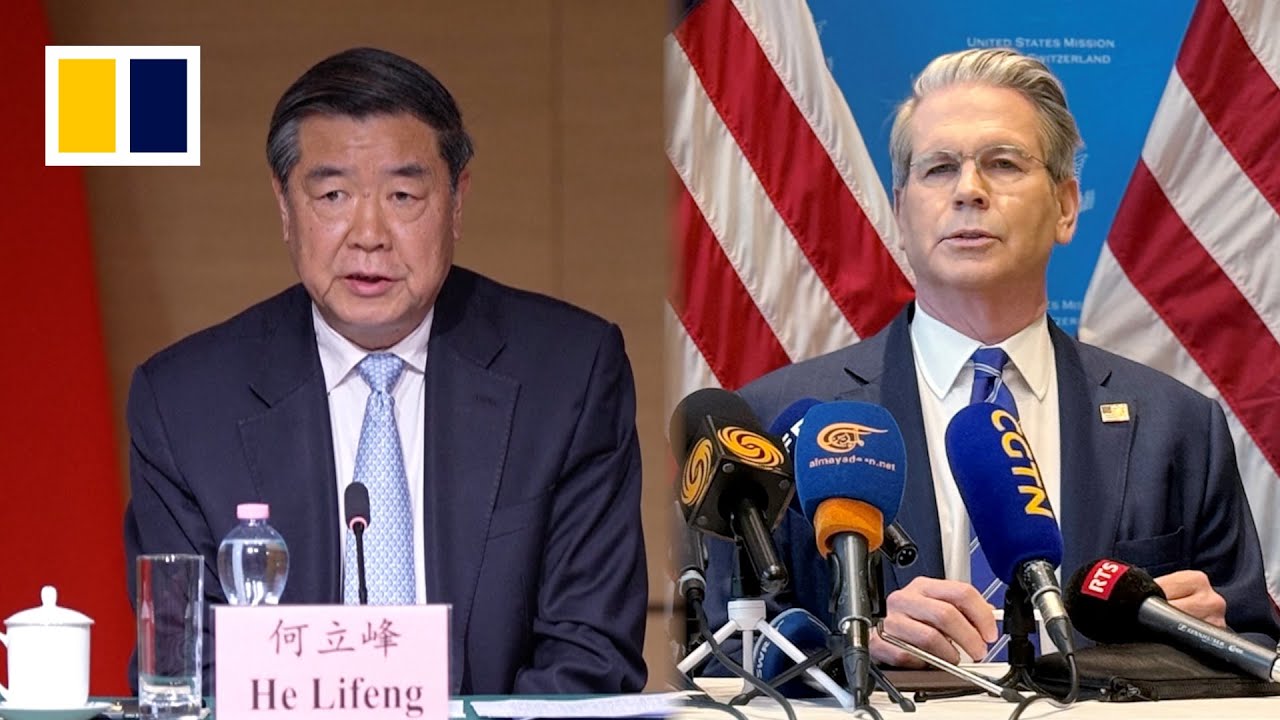
03:53
China, US slash most tariffs on each other after first round of trade talks
China, US slash most tariffs on each other after first round of trade talks
Advertisement
Select Voice
Select Speed
1.00x