How the United Nations, at 80, can still make itself useful
The first General Assembly session in 1946 shows the way forward: the UN must reassert its role as the central space for diplomacy and collective action

In such moments, a question arises: how can the United Nations, the organisation created precisely to foster cooperation and prevent conflict, assert its relevance in the 21st century?
Perhaps the answer lies not in reinventing it, but in returning to its founding principles – those enshrined in the charter that guided the first General Assembly 80 years ago.
On January 10, 1946, the General Assembly opened its first session in London. Delegates from 51 nations, emerging from the devastation of war, met under the shared conviction that only cooperation could safeguard the international order.
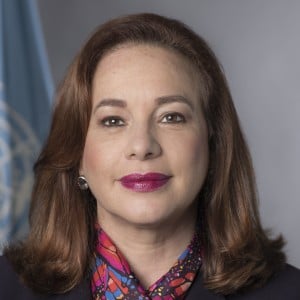
As a former president of the General Assembly, I have returned to the archival records and speech transcripts of that first session, revisiting the election of Paul-Henri Spaak as president and the adoption of the first resolution on the challenges of atomic energy. This exercise offered invaluable insights into the nature and purpose of the assembly and the enduring relevance of the UN Charter.
The first session defined the very identity of the General Assembly and, by extension, of the entire organisation. It showed that it was never a mere stage for rhetoric, but both a mirror of international politics and a workshop for solutions.