Advertisement
Smoking on planes has been banned for years. So why are there still ashtrays?
Ashtrays are provided in plane toilets, even though lighting up on flights has been banned for decades; the history of how we got here might surprise you
3-MIN READ3-MIN
1
Listen

In the beginning, there were no separate smoking sections because everybody smoked everywhere. And I mean everywhere: with kids in the car, in cinemas, buses, trains, McDonald’s (and everyone else’s) restaurants, maternity wards, doctors’ clinics, supermarkets, lifts, bathrooms, classrooms and aeroplanes. Pretty much the only place you couldn’t smoke was at the petrol pump. Even kids like me got in the act, “smoking” ever-popular candy cigarettes. (It made me look cool and grown-up, just like Dad. And Steve McQueen!)
Then slowly, sympathy for long-suffering non-smokers drove momentum for areas set apart for smokers. Cinemas reserved the balcony or side sections, their smoke swirling in the light of the projector. My high school even had a students’ smoking section! “Smoking or non?” became the standard greeting when you entered a restaurant. (But as George Carlin said, “Isn’t making a smoking section in a restaurant like making a peeing section in a swimming pool?”)
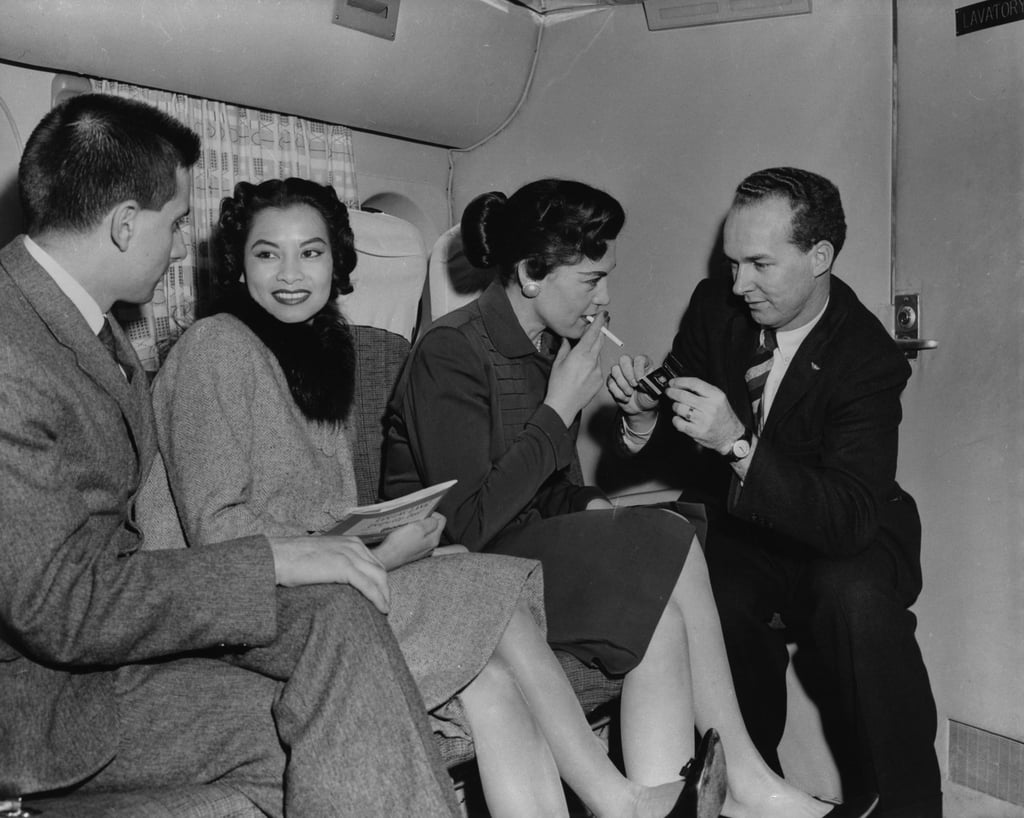
And then, radically, in 1971, courting great controversy, United Airlines created the first smoking section on planes. The tobacco industry was livid. Smokers marginalised! A publicity exercise! What a concept – a loosely curtained-off ghetto at the rear of the plane was somehow supposed to hermetically protect the non-smokers and seal off the smokers and their haze from all but the back few rows of the plane. To be fair, to a certain extent, it worked – most of the smog stayed at the back, leaving only the smokers back there gasping for breath. Anyway, an improvement.
I remember well that there was a hack: to avoid getting stuck in the noxious smoking section, nicotine addicts would book non-smoking seats (so they wouldn’t have to inhale everyone else’s cigarettes through the entire flight). Then when they were finally desperate for a smoke, they’d simply do a “Sorry, Babe, back in a minute”, slink back to the smoking section and slip through the curtains. They’d light up and slouch there guiltily in the aisle, huffing down a fag before returning to the relative purity of the non-smoking section.
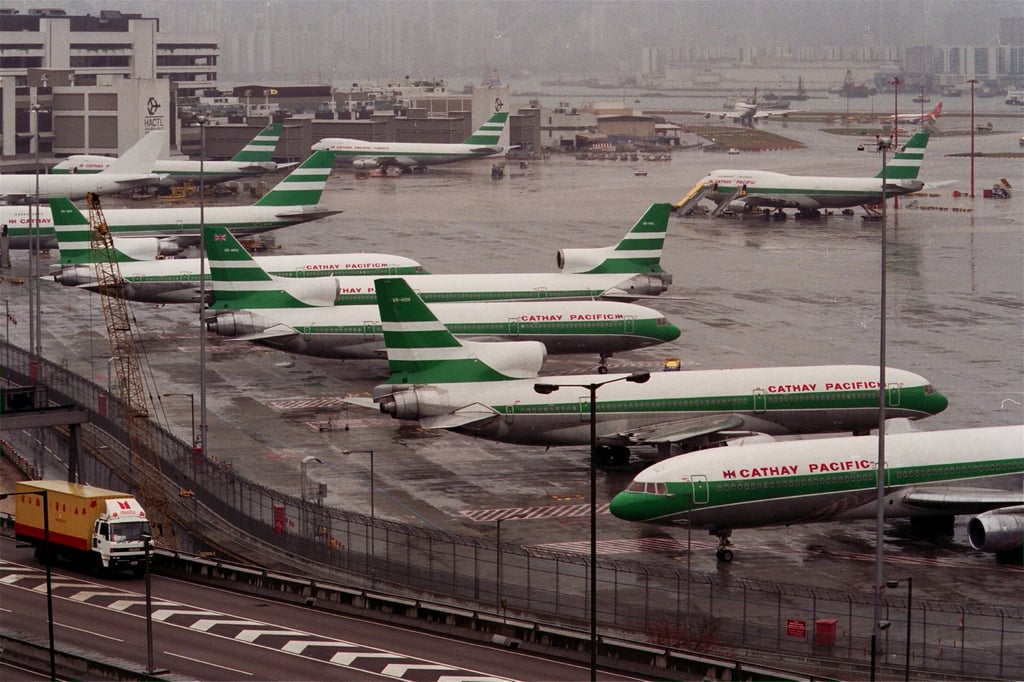
In 1988, with still much opposition, but facing aggressive (and in retrospect, pretty reasonable) lobbying by flight attendants rebelling at being stuck in an aluminium tube full of fumes, the US Congress finally passed a law banning smoking on flights shorter than two hours, and in 2000 finally banned smoking on all flights, domestic and international. International airlines followed suit. In 1990, Hong Kong’s own Cathay Pacific, leading the way, was the first airline in Asia to introduce non-smoking flights. By 2014 the last holdout, the proudly “We hate you, fly with us anyway” Soviet airline Aeroflot, gave in and banned smoking on all of their flights, a big win for lungs everywhere.
Advertisement
Select Voice
Select Speed
1.00x