Along the ancient Silk Road, glimpses of the old and new
A new book recounts the last leg of a 40,000km Silk Road odyssey, revealing the age-old sights and sounds of the Middle Kingdom

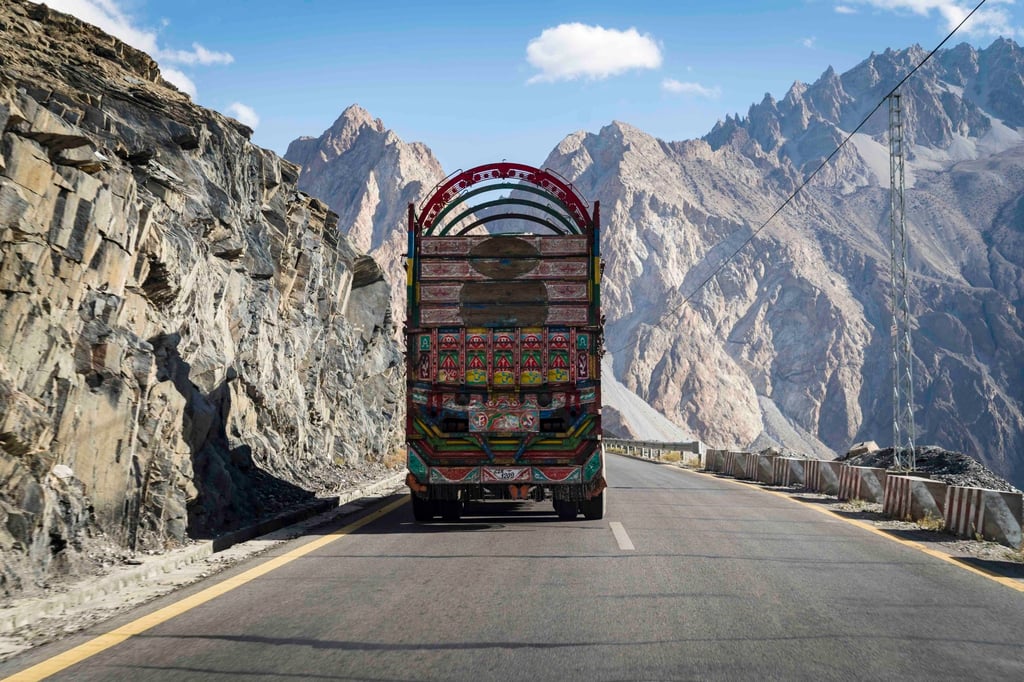
After a night in the quiet town of Tashkurgan, I catch a bus headed north for the historic Silk Road town of Kashgar, a five-hour drive away. Along the old rocky road, we pass hundreds of excavators, cement mixers and steam rollers in the process of constructing a giant new road. The scale of the operation is enormous. All around us, the snowcapped Pamir Mountains shimmer in the morning sun.
The legacy of this mercantile exchange is a strikingly diverse population that includes Uygur, Hui, Tajik, Khalkhas, Uzbek, Kazakh, Rus’, Mongol, Manchu, Han and Tatar, the majority of whom are Muslim.
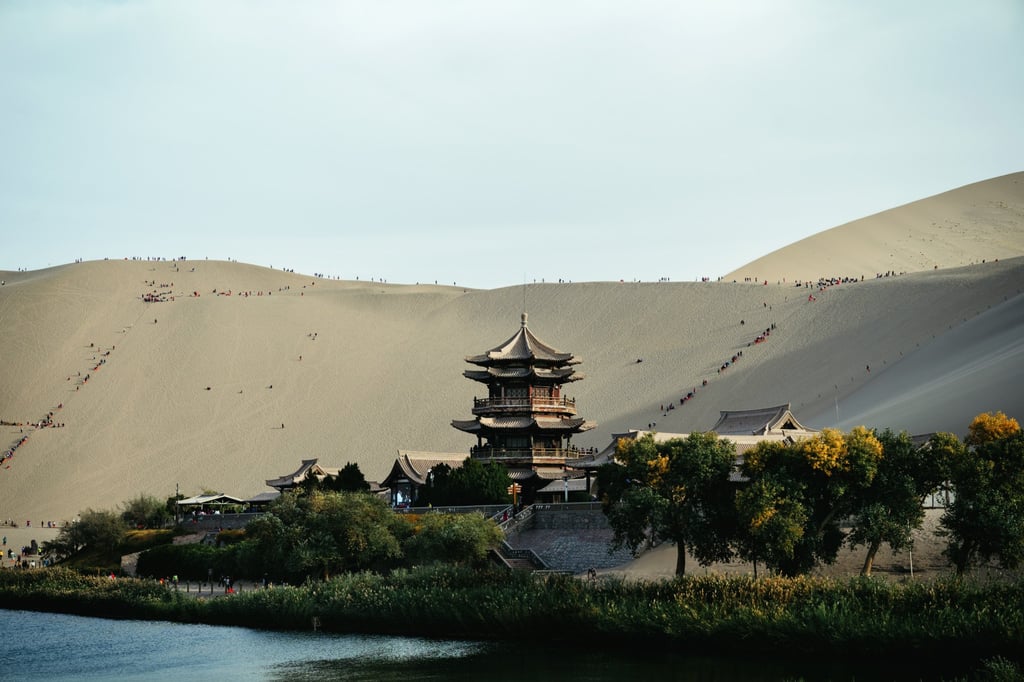
Much of Kashgar’s old town has been destroyed and replaced in recent years. “The city changed,” one person tells me, “and memory was erased.” But the historic bazaar, where traders, cooks, musicians and a variety of artisans ply their trade, still hums with activity.
Walking one day, I spot the old man wearing a pakol hat who I had sat with in the minibus crossing the border from Pakistan. He is communicating animatedly to a shopkeeper through a series of complex hand gestures. Next to him is a suitcase full of antiques, and it dawns on me that the old man has been going back and forth across the border, selling wares like the Silk Road traders thousands of years ago. I can barely believe it.