What makes Labubu so lovable? The psychology behind ‘ugly cute’ appeal
Labubu, blobfish and bulldogs all trigger the same instinct: protect, nurture, adore. Science explains why ‘ugly cute’ is more than just a trend.

On August 8, a two-year-old hairless English-French bulldog mix named Petunia waddled across the stage at the Sonoma-Marin Fair in Santa Rosa, California, to claim the US$5,000 top prize at this year’s World’s Ugliest Dog Contest. Petunia’s wrinkly skin and pug-like face might not be conventionally cute but, like the nine other competing dogs, they still sparked a familiar reaction: the uncontrollable urge to scoop her up like a baby.

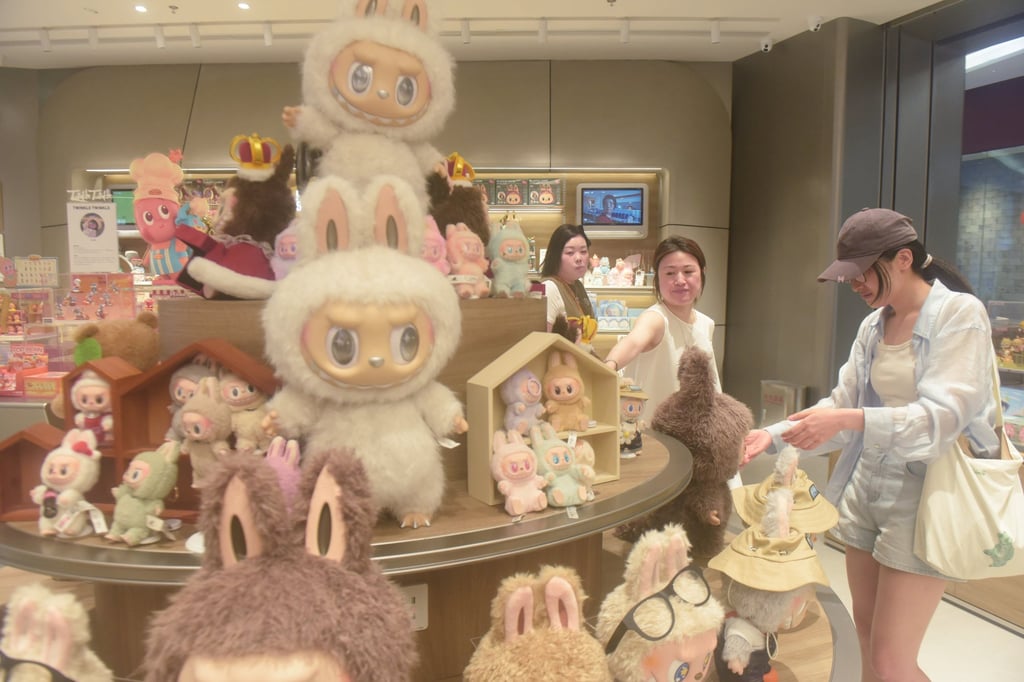
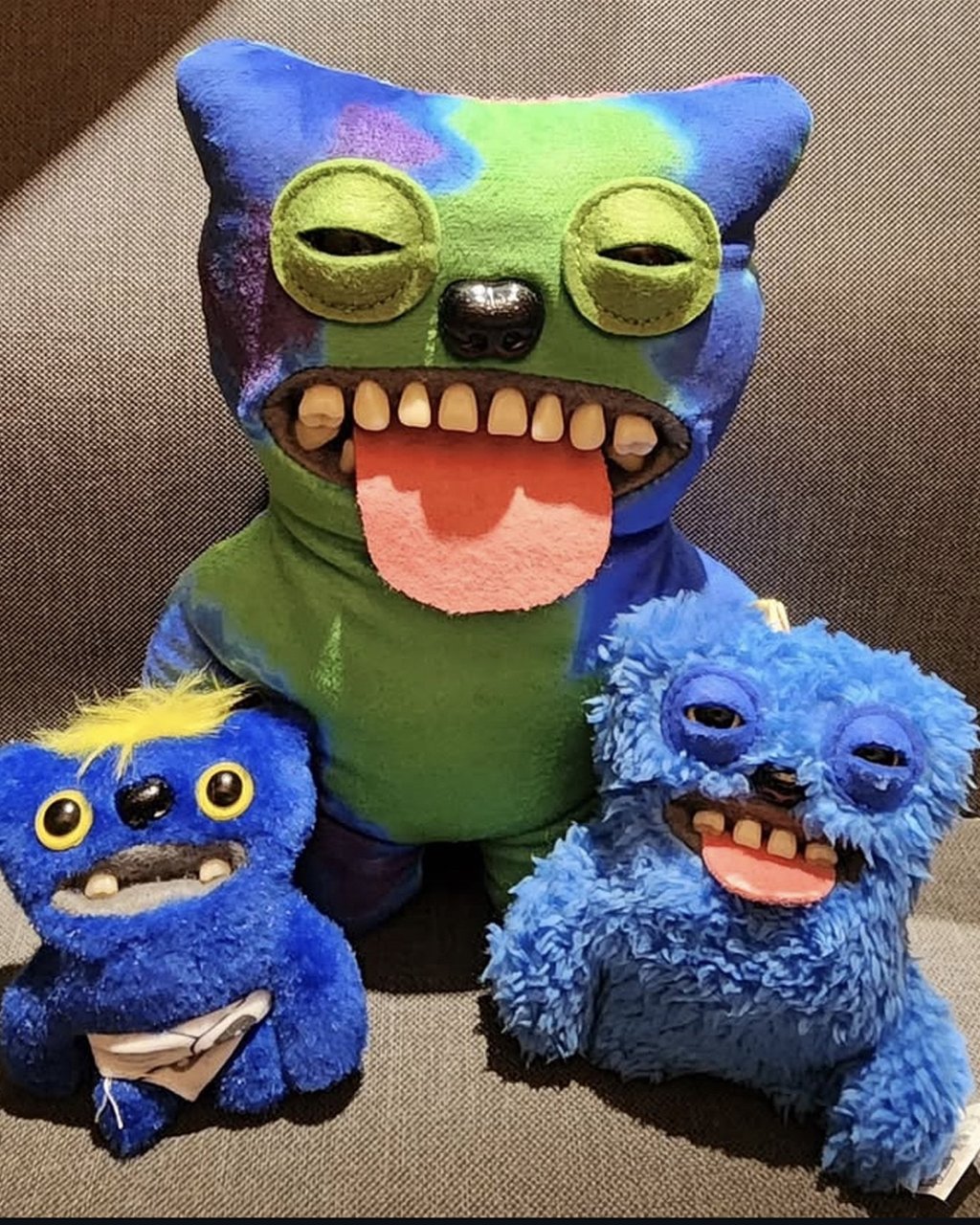
And Labubu isn’t alone. Its creepy cousin Fuggler dolls, with their gremlin looks and disturbingly human teeth, have also surged in popularity. British toy trade magazine Toy World reports a 247 per cent rise in sales in the UK this past year, as more collectors lean into the same offbeat appeal.
But what exactly makes something ugly … adorable?
Scientists point to “baby schema”, a set of facial traits – large eyes, round cheeks and small nose – that trigger an instinctive caretaking response in humans. It’s an evolutionary reflex that helped infants survive, now hijacked by dolls, pets and memes. A 2009 study titled “Baby Schema in Infant Faces Induces Cuteness Perception and Motivation for Caretaking in Adults” helped codify the phenomenon.
Even the blobfish, once dubbed the ugliest animal alive after an image of the deep-sea fish out of water went viral in 2003, was voted New Zealand’s “fish of the year” this March.