The Forbidden City: how China projected power through architecture
How the stone, timber, symmetry and sheer size of a 600-year-old complex made Beijing’s imperial kingdom feel almost divine

I don’t “do” Beijing the way I do other cities. Beijing doesn’t invite browsing. It asks for attention. It’s not a collection of attractions to check off a list – it’s a lesson in how a civilisation arranged power so deliberately that you can still feel the weight of it centuries later, standing in courtyards designed to make you small, walking through gates that were built to make authority feel inevitable.
The first time I stepped through the Meridian Gate into the Forbidden City, I felt something rare: all the history I had studied suddenly became physical. Not abstract, not academic: solid and real, arranged in stone and timber and silence.
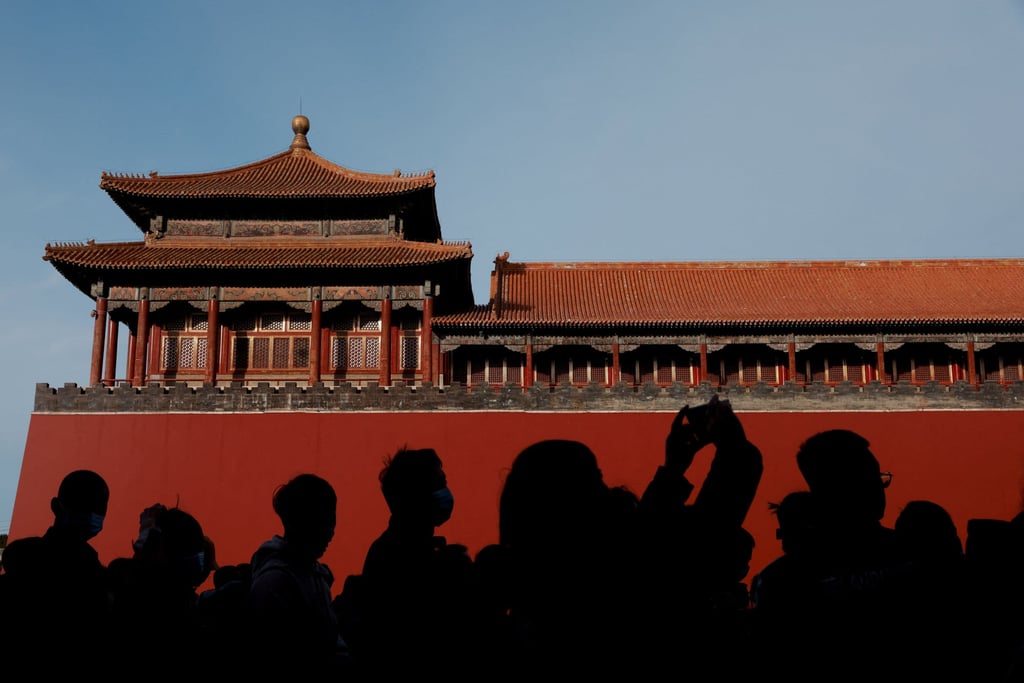
I stood in that first vast courtyard, the one that opens after the gate, and thought, “So this is where it all sat – power, fear, ritual, ambition, paranoia, brilliance.” I didn’t rush. I couldn’t. Every courtyard seemed to demand that I slow down, look properly, let the architecture explain itself.
I’ve been back many times since, and here’s something I’ve learned: the Forbidden City reveals itself only gradually. If you think you’ve “done” it on one visit, you haven’t really seen it at all. You’ve photographed it, perhaps, but you haven’t felt it.
Learning to read the architecture
If you want to see the Forbidden City the way I do, you need to observe it through a few specific lenses. These are not official guidebook facts; these are the things that changed how I understood the place.
First: height and distance are policy